Lexicon
Moral Compression
What happens to judgment under speed, stress, incentives, and metric substitution: the space for calibrated moral reasoning collapses, and shortcuts get mistaken for conclusions. A property of the environment, not a flaw in the person.
Compression is the book’s account of how good people produce bad judgment without any failure of character. Conditions do it: deadlines, fear, reward structures, and the quiet swap of a number for the thing it was meant to measure. The diagnostic move is to treat the environment as the unit of analysis rather than the individual, because a system can manufacture compression faster than the people inside it can correct for it. Naming it is the first defense.
Essays using this term
3 essays- Insufficient Time for a Meaningful Answer: The Singularity We're Already Inside
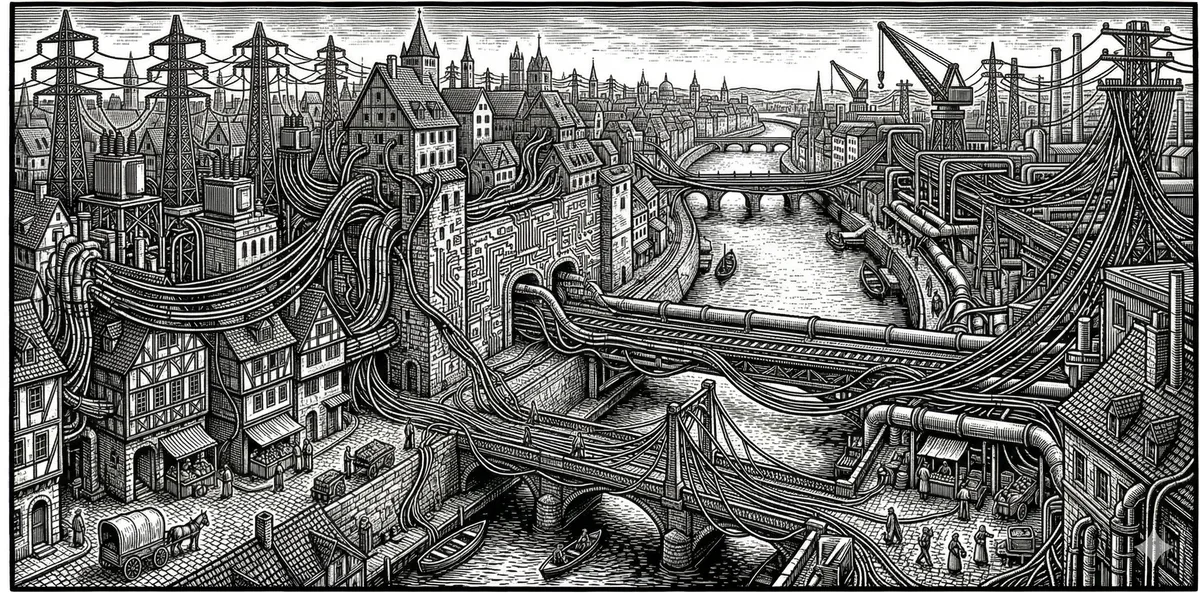
The classical superintelligence scenario got the strategy right but misjudged how deep and tangled the ground is that any such strategy would have to be carried out on. AI isn't breaking free of our institutions; it's spreading into them.
- The Calibration Frontier: Why Working With AI Is a Consciousness Problem
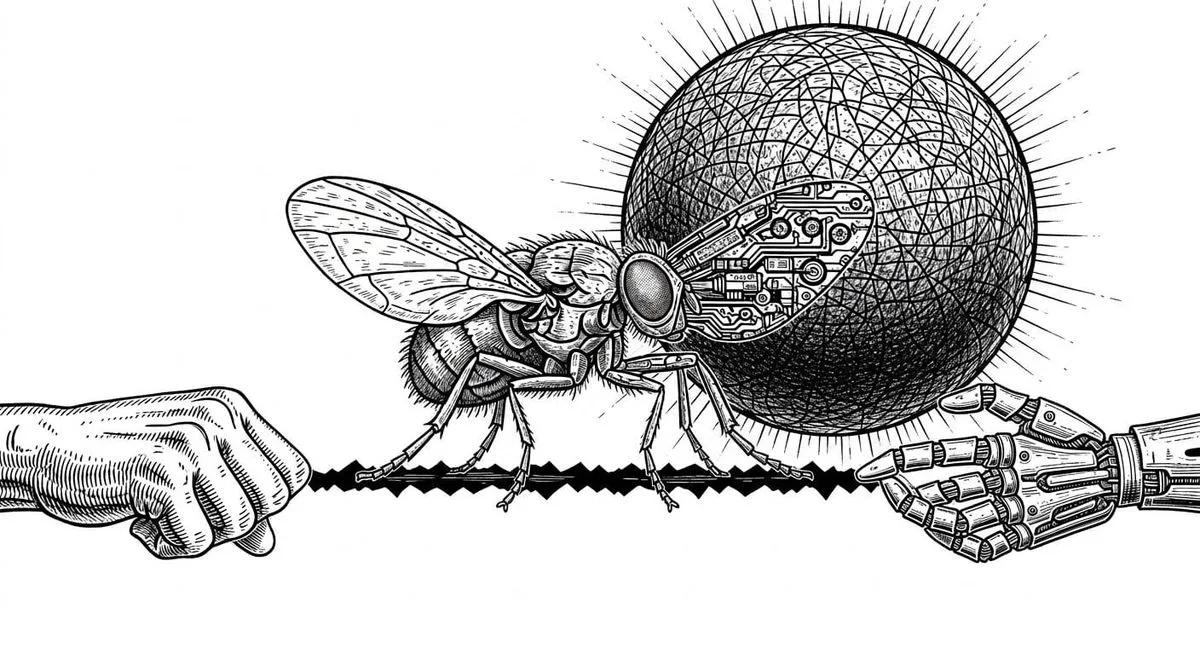
A simulated fruit fly walked across a screen and split the internet between dismissal and existential horror. Both responses were miscalibrated. The calibration frontier is where we build the diagnostic tools to steer between them, and it turns out to be a consciousness problem.
- The Two Sonic Booms: What the Pentagon-Anthropic Standoff Reveals About Moral Compression
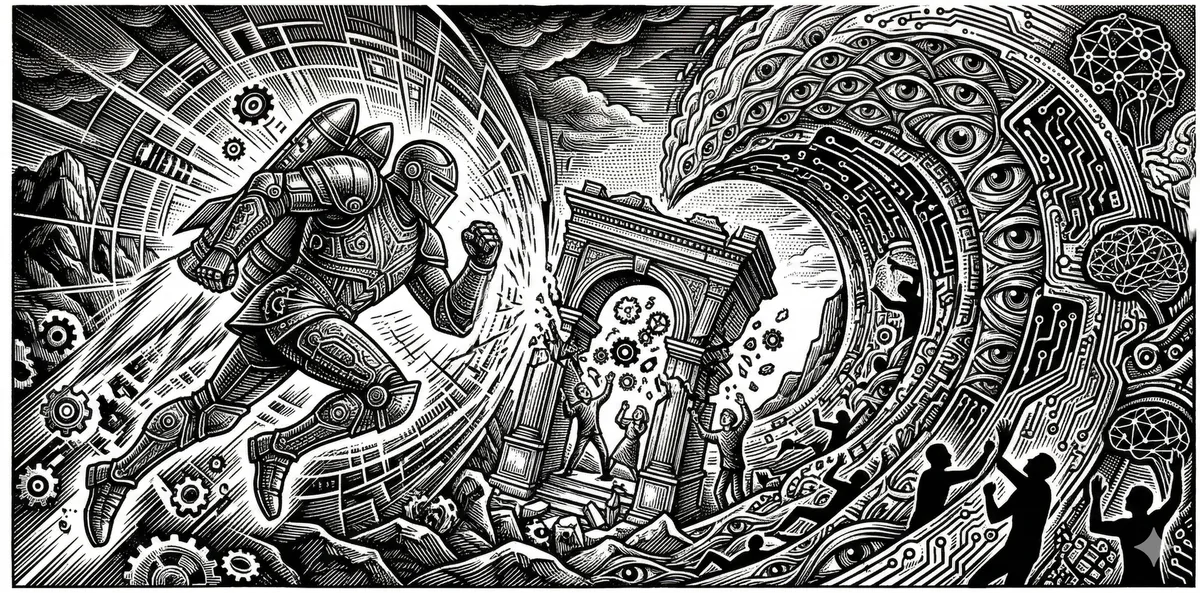
Leopold Aschenbrenner warned of one sonic boom: AI arriving faster than the economy can absorb it. I think he missed a second: moral reasoning collapsing under the same pressure. The Pentagon-Anthropic standoff shows both booms arriving at once, and a set of pressures that, within days, punished ethical resistance and rewarded its absence.