Free Will
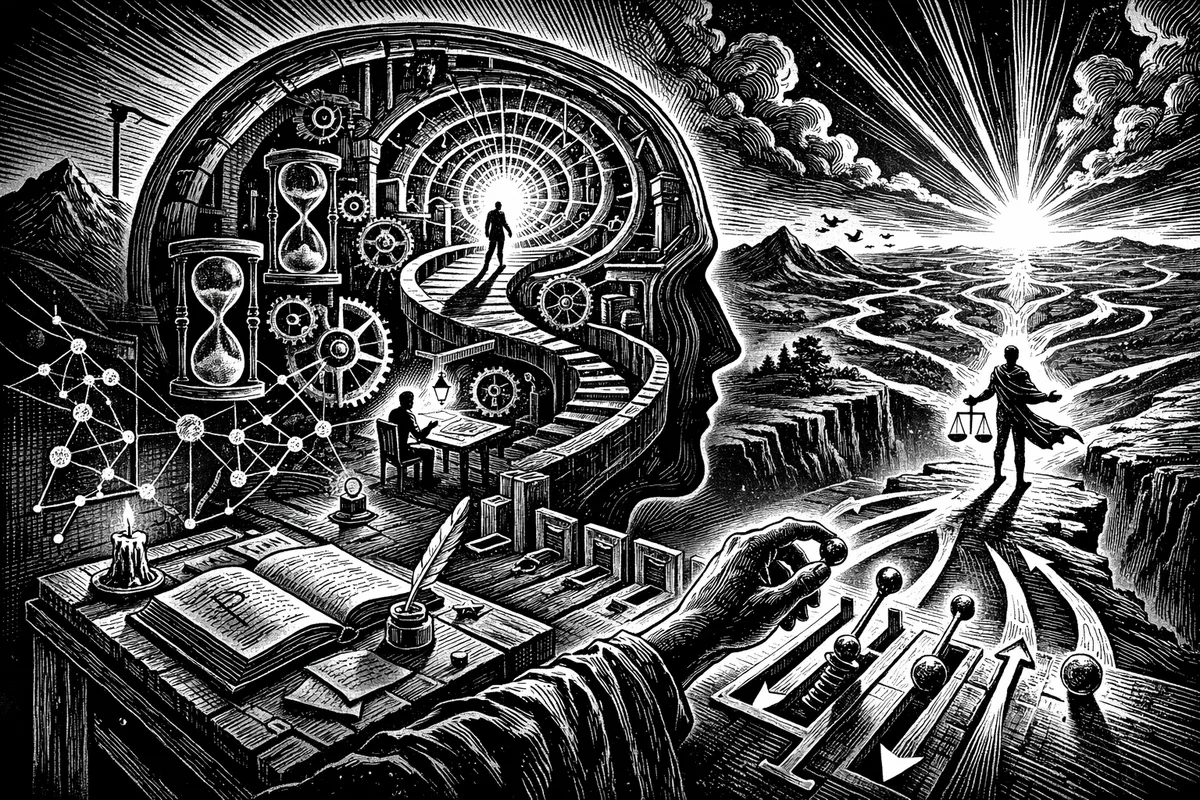
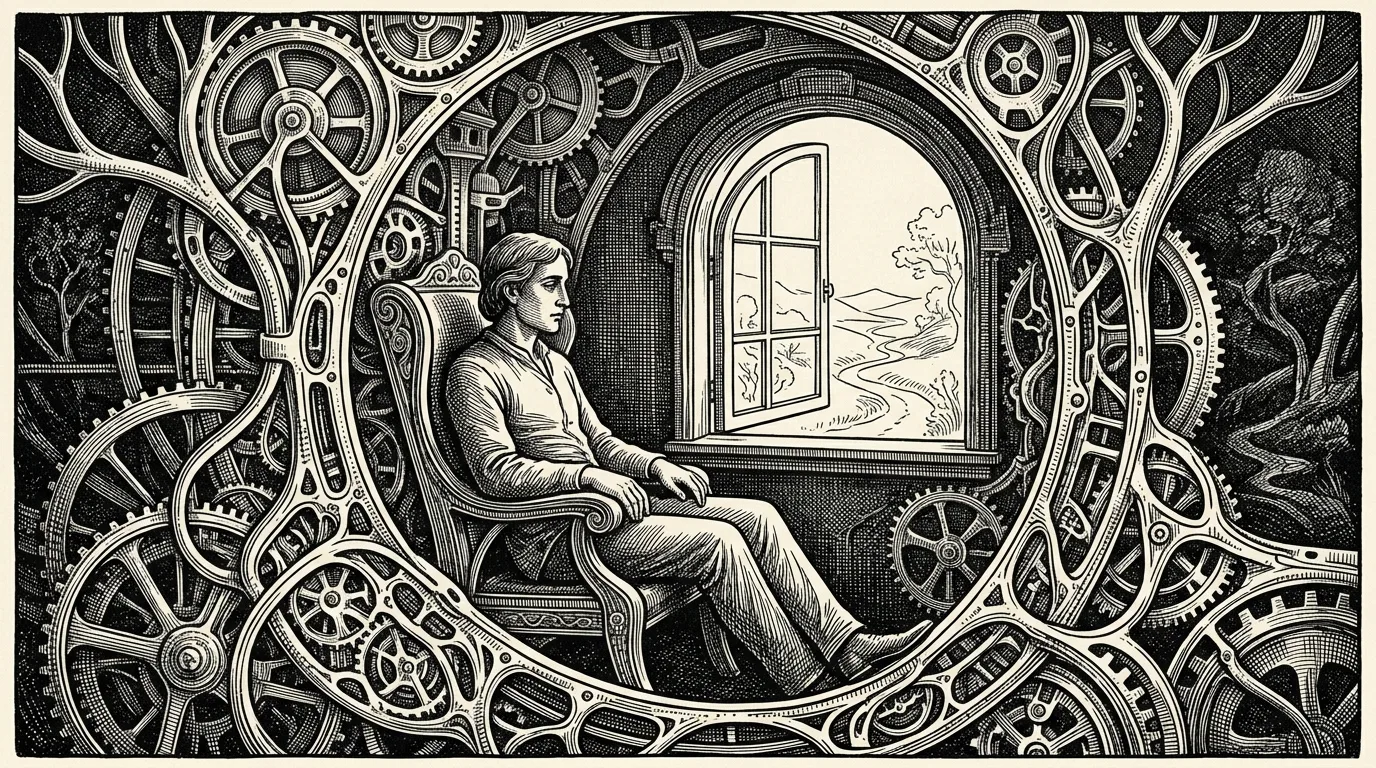
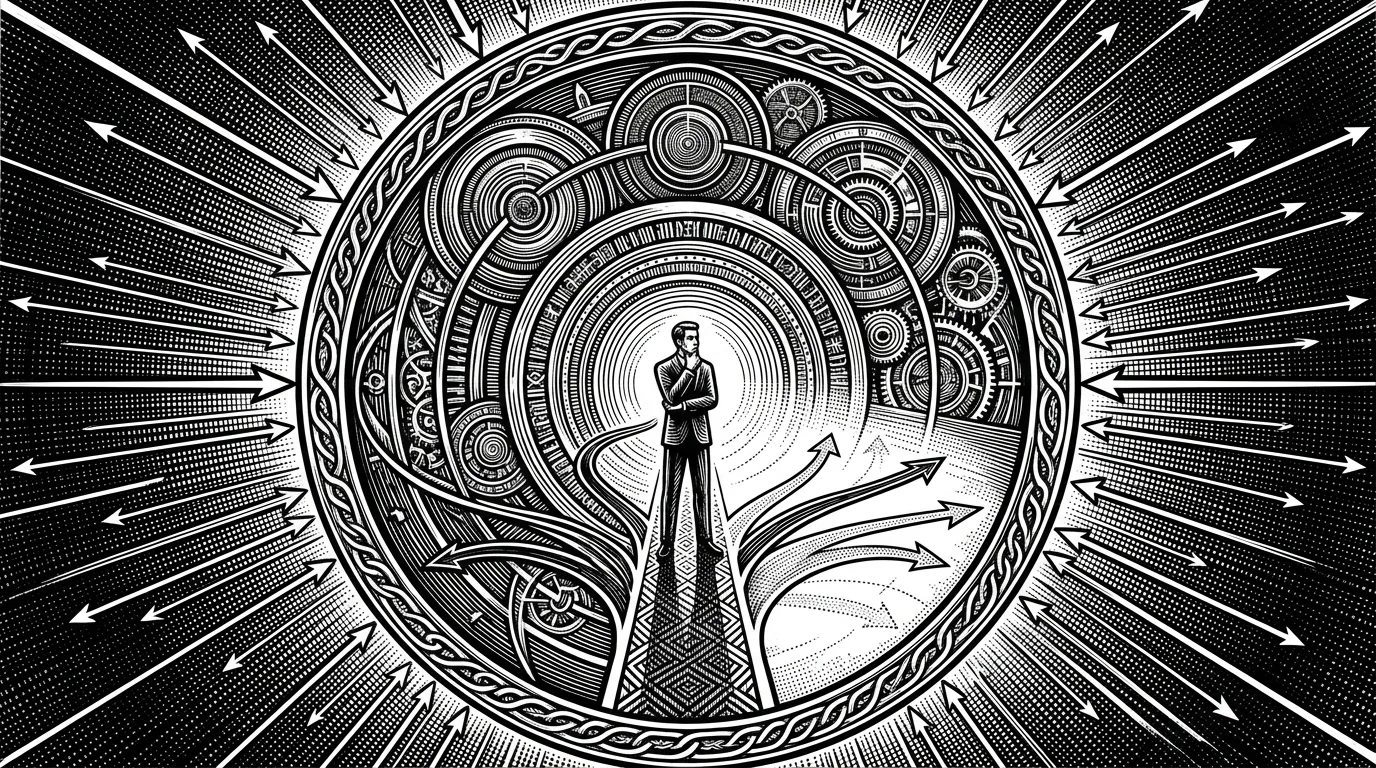
Free will not as freedom from causality but freedom through it — an architectural achievement, like consciousness, that a system earns rather than simply has.
3 essays
- The Hard Problem Is the Wrong Problem – Why Consciousness, Like Free Will, Is an Architectural Achievement
The hard problem of consciousness is stuck for the same reason the free will debate was stuck: a false binary built on a shared broken assumption. Assembled time dissolves it, revealing consciousness not as a mystery beyond physics, but as an architectural achievement we can actually study.
- Shared Minds, Shared Futures: Human–Machine Systems as Hybrid Cognitive Entities
The most consequential shift of the century isn't AI waking up, it’s the silent merger of human and machine. Exploring the Three Axes of Mind, this essay asks if we are becoming passengers of an optimized life, and how we might preserve "depth" as we move toward the stars.
- Free Will as Assembled Time
Free will isn't an escape from causality, it's a biological achievement. By mapping the "interior workspace" where memory and future-modeling delay our impulses, we find that agency isn't a mysterious spark, but an emergent property of systems deeply assembled in time.