Assembled Time
Consciousness and continuity as something a system does in the present, not a substance it carries across time.
8 essays
- The Edge of the Framework: Where Logic Meets the Limits of What We Can Know About Ourselves
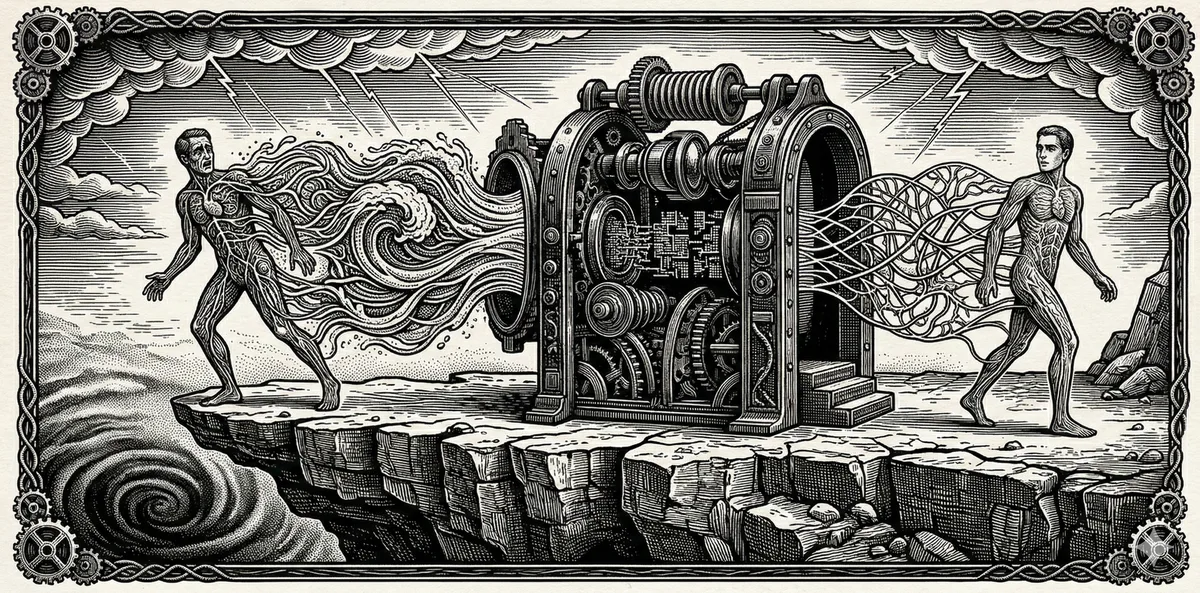
The body printer thought experiment reveals an edge in the assembled time framework — where logic says the copy is you, embodied intuition insists something is lost, and the responsible move is to hold the tension open rather than force a resolution that hasn't been earned.
- The Momentary Self Revisited: Why Consciousness Might Not Need Persistence
Consciousness doesn't need continuity. It needs depth. This essay revises the boundary-stakes-integration triad, recasting two of its conditions as amplifiers rather than prerequisites, and follows the logic to its uncomfortable implications for modern AI systems.
- What Temporal Integration Needs: Boundaries, Stakes, and the Architecture of Perspective
Three independent thinkers converged on the same gap in the temporal integration account of consciousness. What they found: integration alone isn't enough. Experience requires boundaries, stakes, and a system whose continuation depends on getting the binding right.
- Assembled Time: Why Long-Form Stories Still Matter in an Age of Fragments
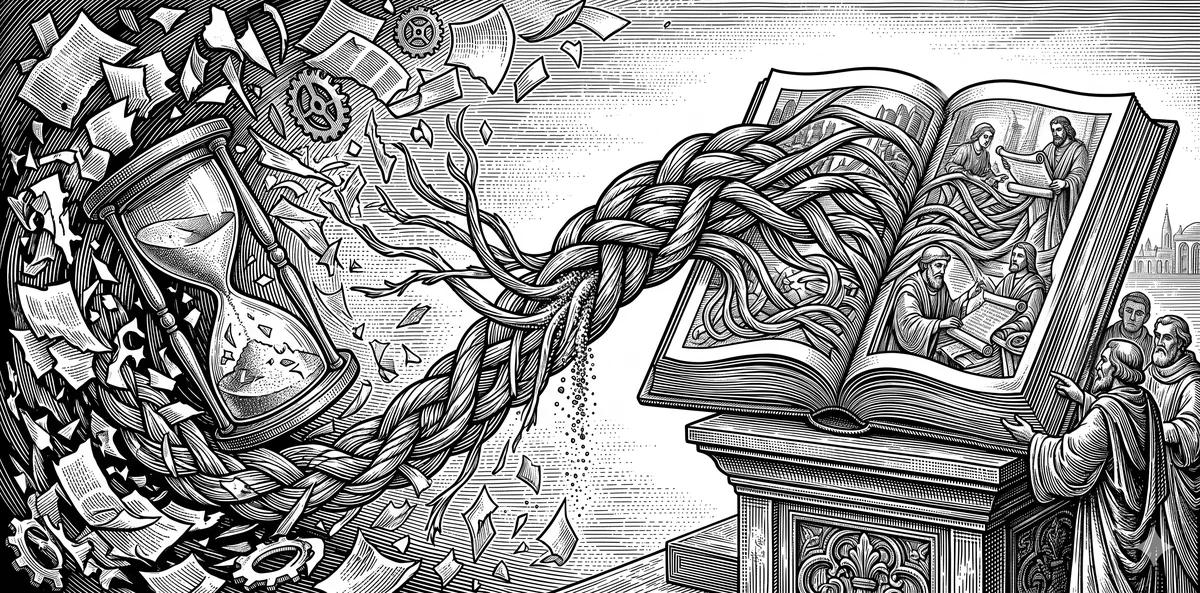
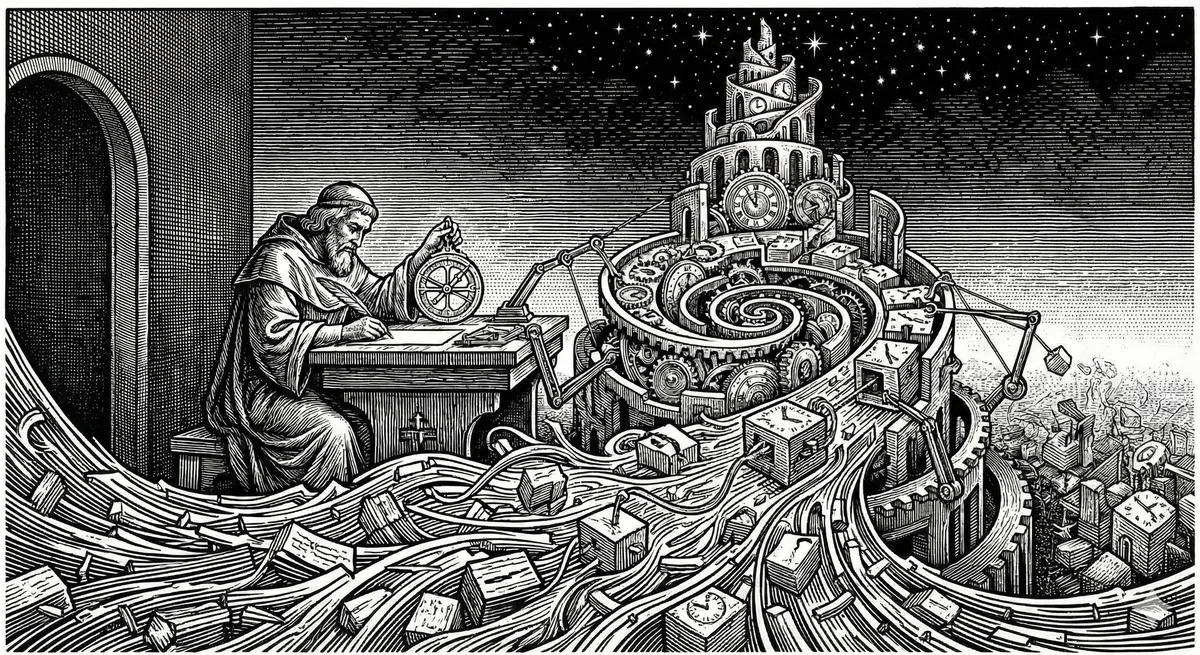
In an age optimized for immediacy, long-form stories train a rare cognitive skill: the ability to assemble time. Braided narratives teach us to hold unresolved pasts, integrate meaning across threads, and resist the flattening force of feeds, shallow AI, and disposable moments.
- Depth Without Agency: Why Civilization Struggles to Act on What It Knows
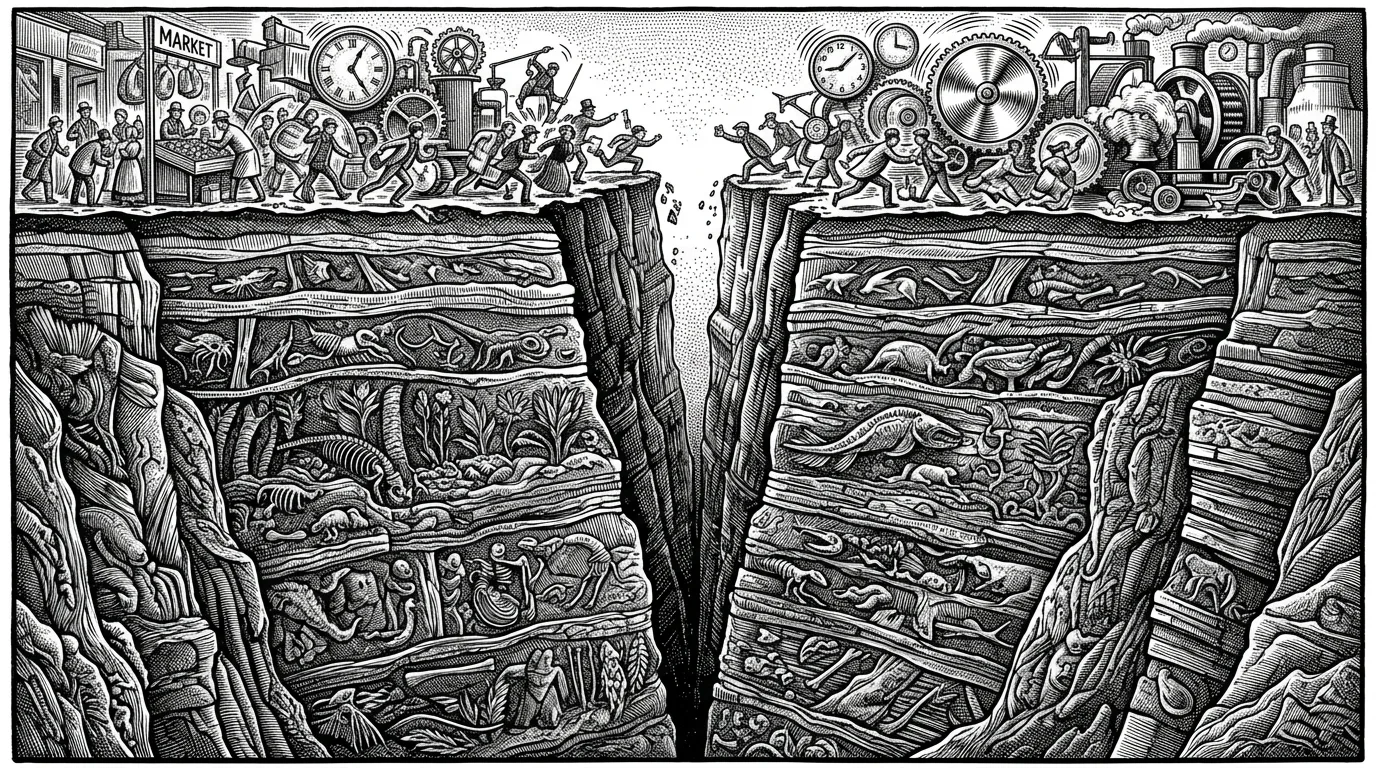
Modern civilization is drowning in data but starving for agency. We possess the "Cognition" to model our future, yet lack the "Depth" to act on it. Using the Three Axes of Mind, I explore why our systems—and our AI—are architecturally biased toward a dangerous "temporal poverty."
- Free Will as Assembled Time
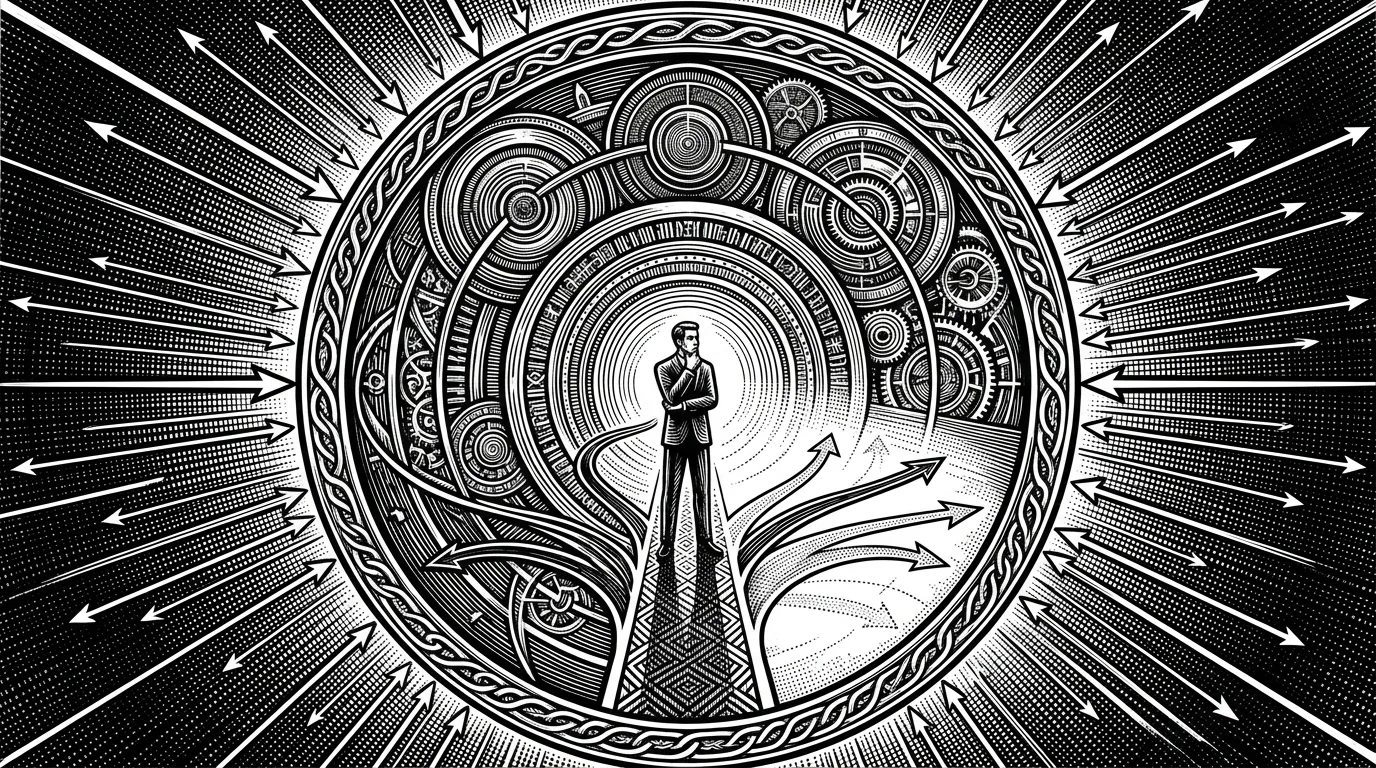
Free will isn't an escape from causality, it's a biological achievement. By mapping the "interior workspace" where memory and future-modeling delay our impulses, we find that agency isn't a mysterious spark, but an emergent property of systems deeply assembled in time.
- Scaling Our Theory of Mind: From Individual Consciousness to Civilizational Intelligence
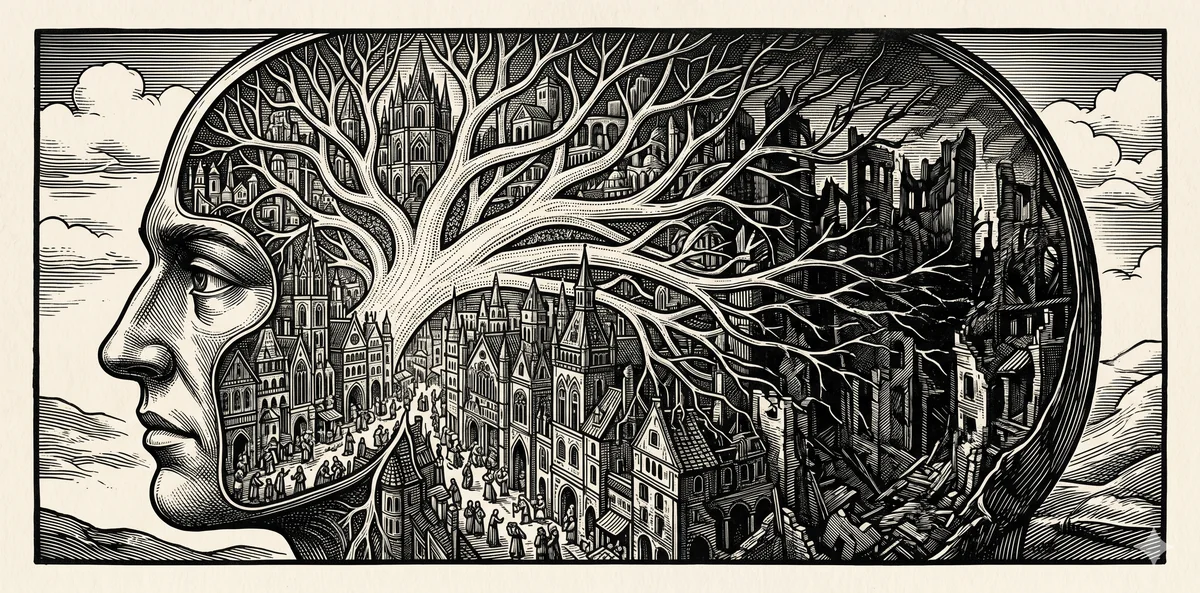
If individual minds emerge from availability, integration, and depth, what happens when those same conditions appear at the scale of civilization? I argue that political decay may be better understood not as moral failure, but as a cognitive pathology of systems that begin to lose their memory.
- Consciousness as Assembled Time
We experience consciousness as continuity, but continuity is an illusion reconstructed moment by moment. Using Assembly Theory, this essay reframes the self as assembled time: a present structure shaped by deep causal history.