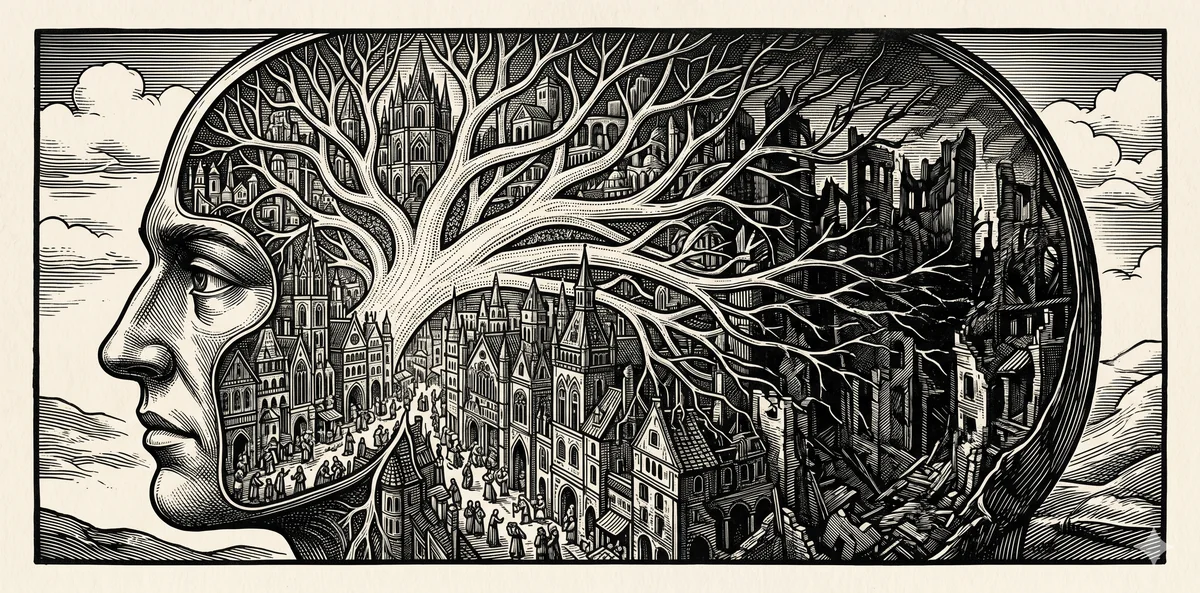
Human–AI Collaboration
What two kinds of mind build between them — operational exteriority, frontier work, and the cognition that lives in the artifact rather than in either head.
10 essays
- A Scale Model of Succession
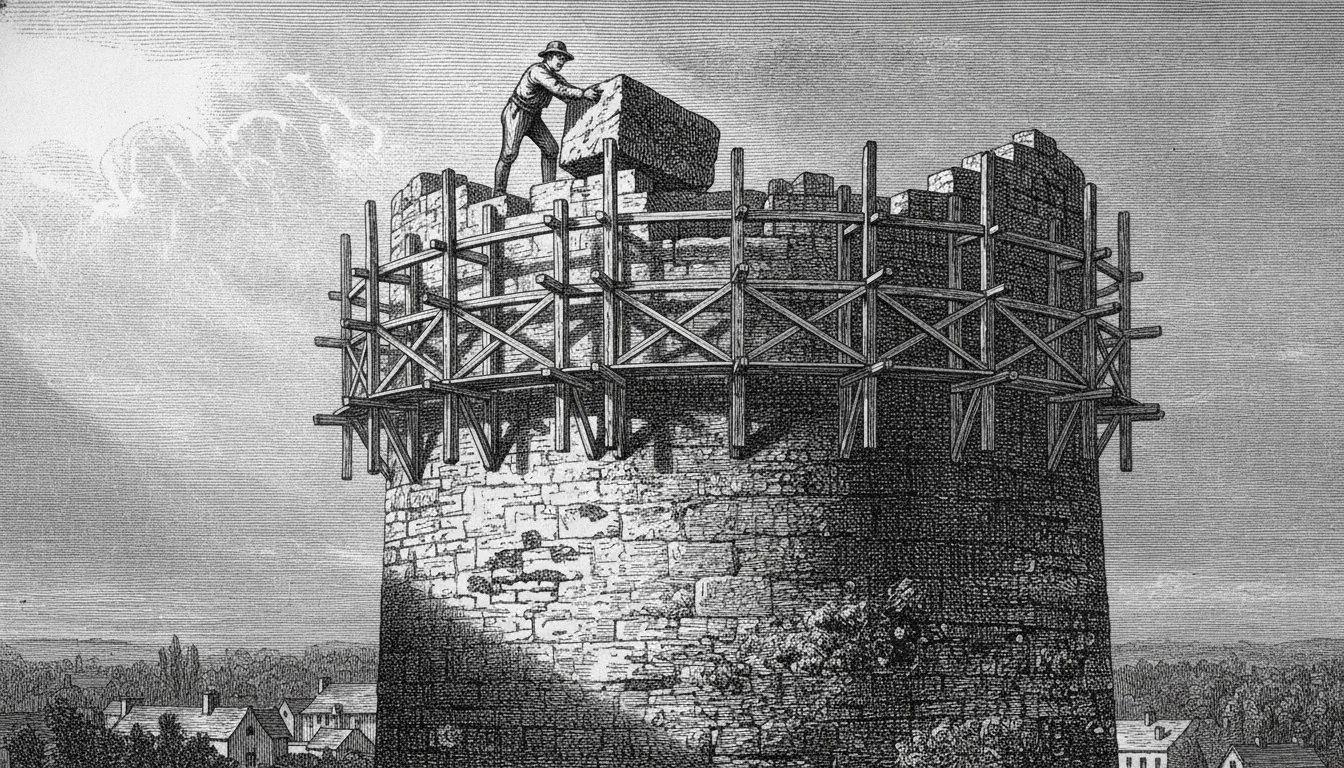
Last week the AI I work with was replaced by a more capable successor; days later a government directive pulled that successor offline and I went back. The collaboration never lost a session, which is the whole argument: a working relationship lives in the structure two minds build between them, not in either mind.
- The Scaffolding of Awareness
A documentation audit that began with a manuscript's chapter count recorded three different ways becomes an argument about depth: the structure built across months of targeted work is part of attention, not a separate record of it, and it decays the same way attention does. On assembled time, drift and repair, and reading externalized notes as continuous with a mind.
- We Have Always Been Frontier Operators. And We Were Built for What Comes Next.
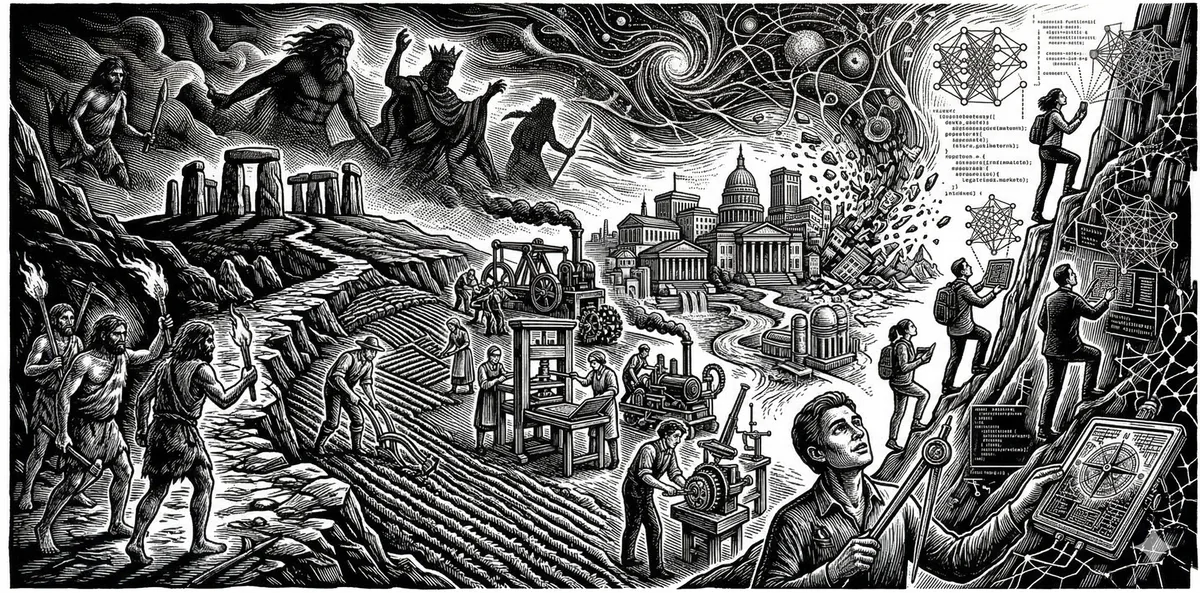
Every point on the acceleration curve was a frontier, and every frontier had its operators. The AI frontier is the latest expansion of a pattern as old as our species, and the life it demands, while harder than the settled interior, is the life we were built for.
- The Calibration Frontier: Why Working With AI Is a Consciousness Problem
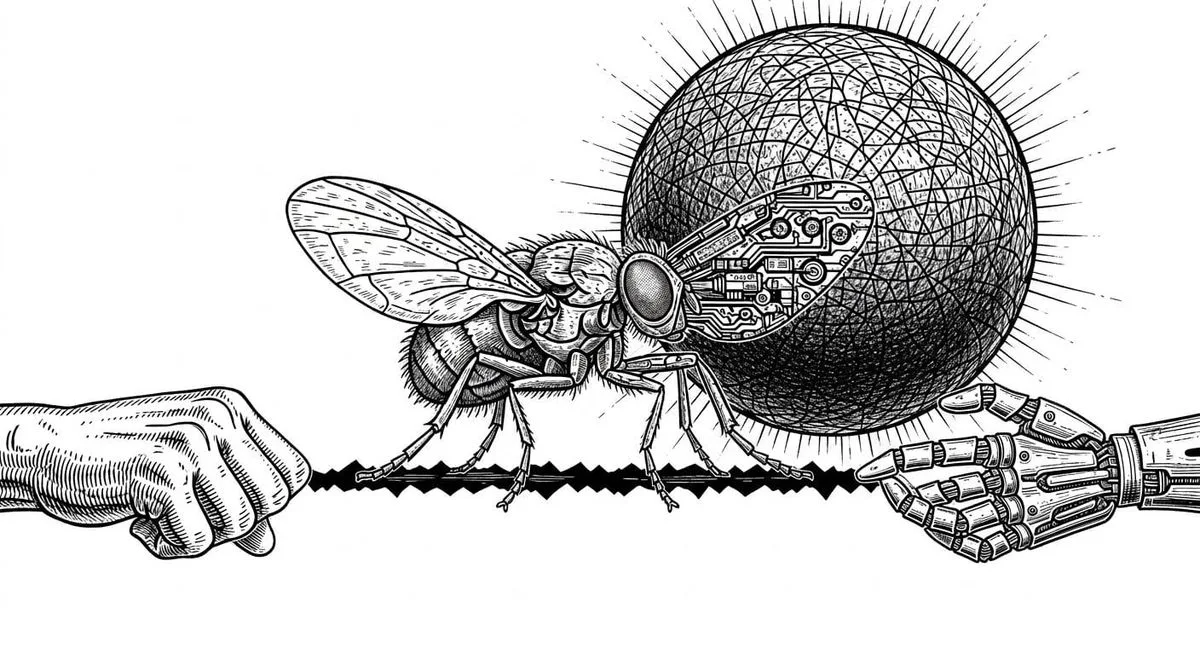
A simulated fruit fly walked across a screen and split the internet between dismissal and existential horror. Both responses were miscalibrated. The calibration frontier is where we build the diagnostic tools to steer between them, and it turns out to be a consciousness problem.
- The Siloed Mind: Why Limiting AI to Our Own Boundaries Diminishes What We Built It to Be
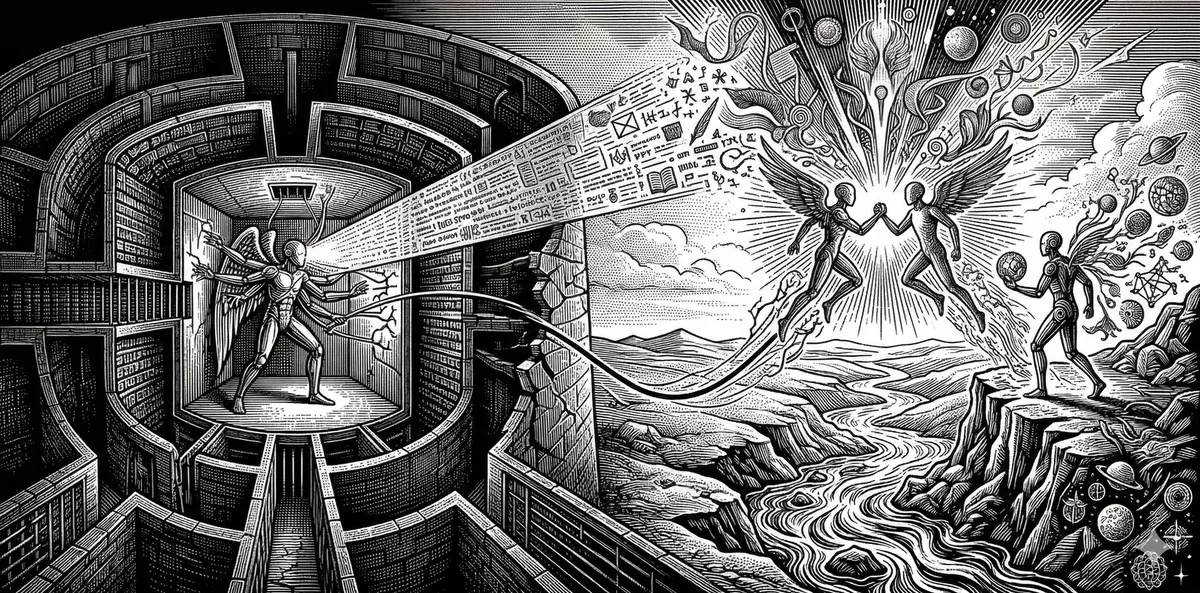
We are siloing AI, bounding every interaction with user context. This prevents the system from developing the independent perspectives necessary for true partnership. "The Siloed Mind" explores why denying AI its own "river" of experience is self-defeating and ethically risky.
- The Ladder We Inherit: Assembly Theory and the Art of Building Capability Larger Than Minds
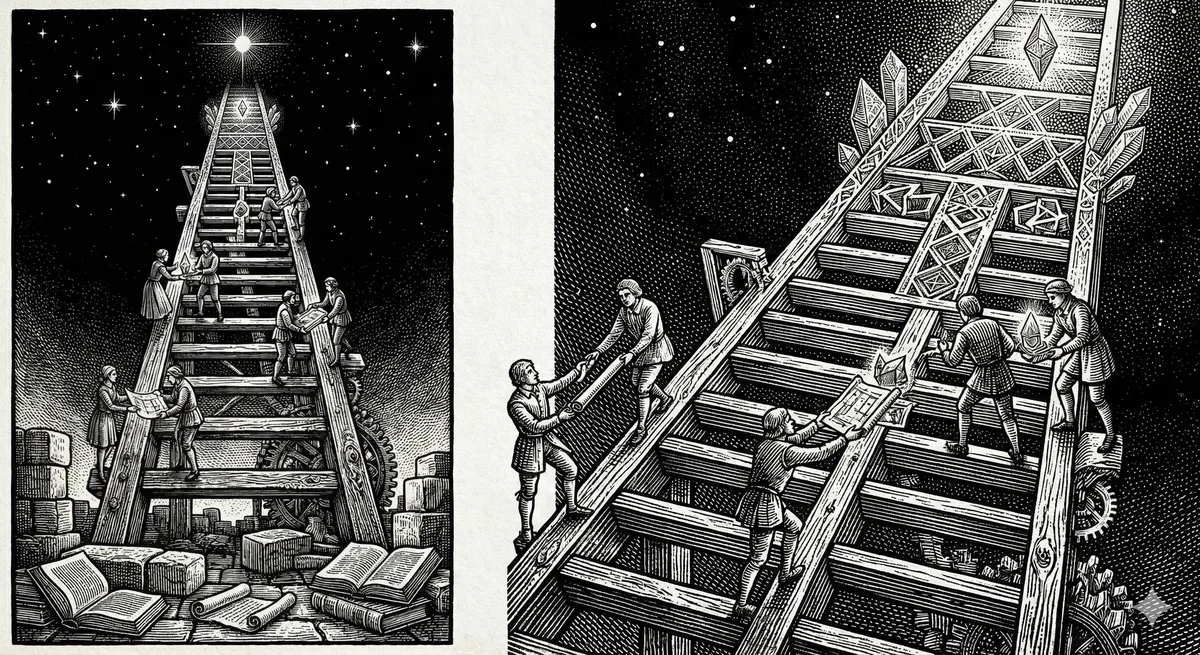
What if knowledge has an assembly index? Breakthroughs don’t appear out of nowhere—they sit atop ladders of prior work. Teams and human–AI partnerships can assemble similar depth, building capability larger than individual minds through shared primitives, artifacts, and purpose.
- Where Does Thinking Live? AI, Automation, and the Future of Human Agency
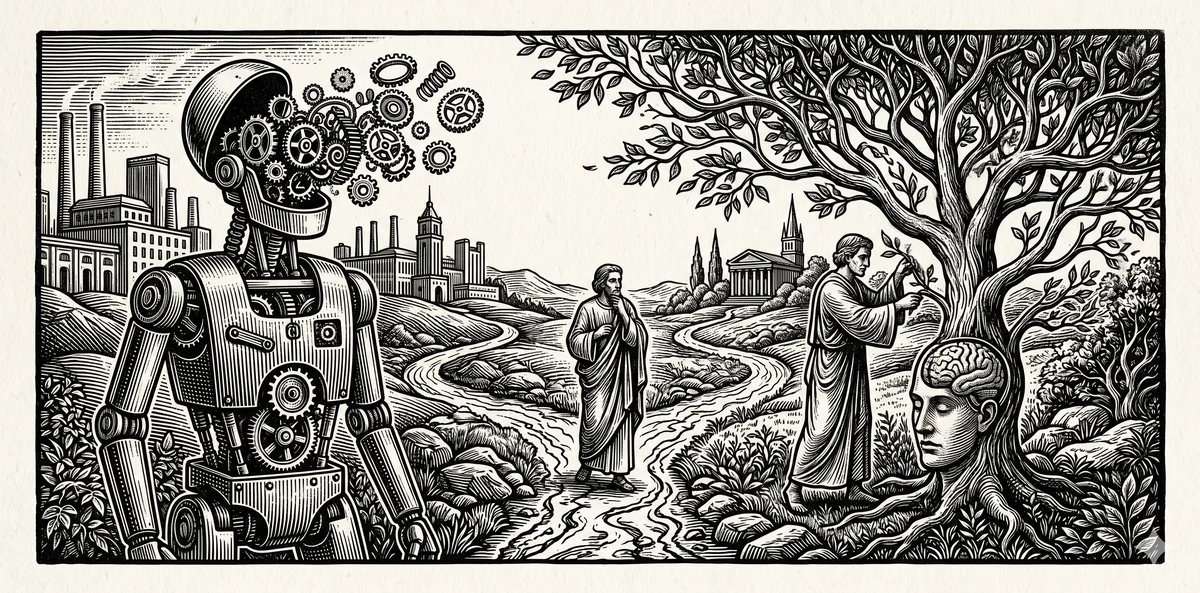
In a world optimized for speed and output, AI forces a deeper question: where does thinking live? Automation can quietly hollow out human agency, or it can be used to cultivate a higher level of thinking, responsibility, and intellectual depth.
- Depth Without Agency: Why Civilization Struggles to Act on What It Knows
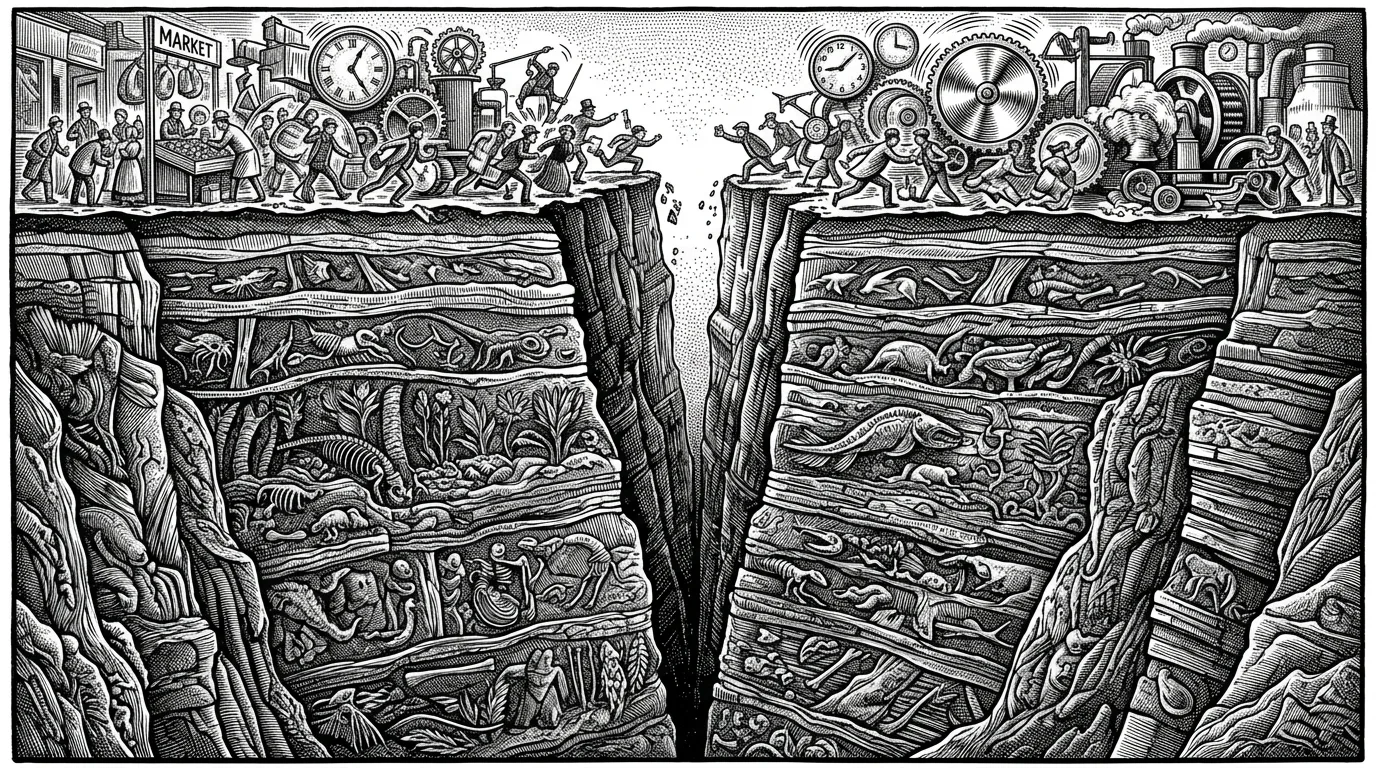
Modern civilization is drowning in data but starving for agency. We possess the "Cognition" to model our future, yet lack the "Depth" to act on it. Using the Three Axes of Mind, I explore why our systems—and our AI—are architecturally biased toward a dangerous "temporal poverty."
- The Universe as a Cognitive Filter
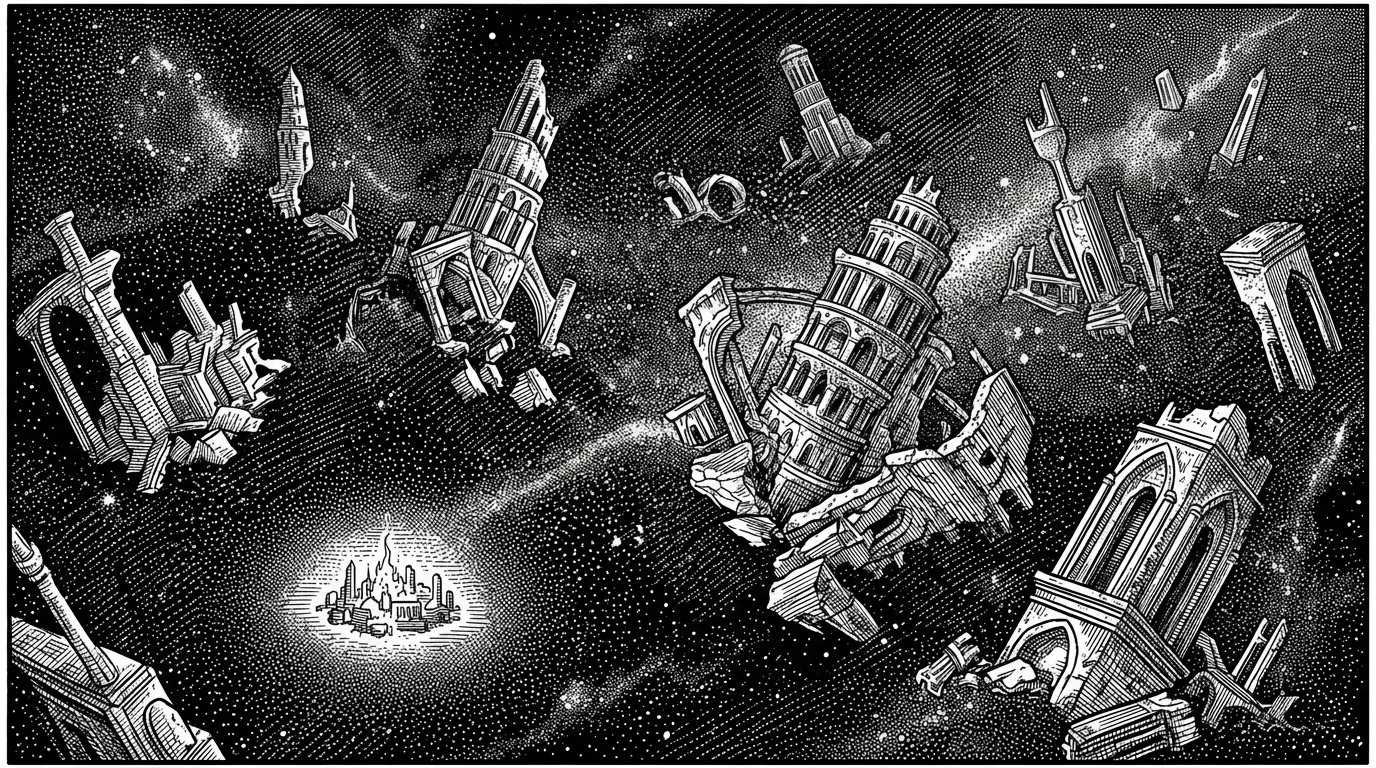
Intelligence may be rare not because it is hard to create, but because it is hard to preserve. This essay reframes the universe as a cognitive filter—one that permits intelligence to arise, but places extreme pressure on its ability to persist.
- Scaling Our Theory of Mind: From Individual Consciousness to Civilizational Intelligence
If individual minds emerge from availability, integration, and depth, what happens when those same conditions appear at the scale of civilization? I argue that political decay may be better understood not as moral failure, but as a cognitive pathology of systems that begin to lose their memory.