Personal Identity
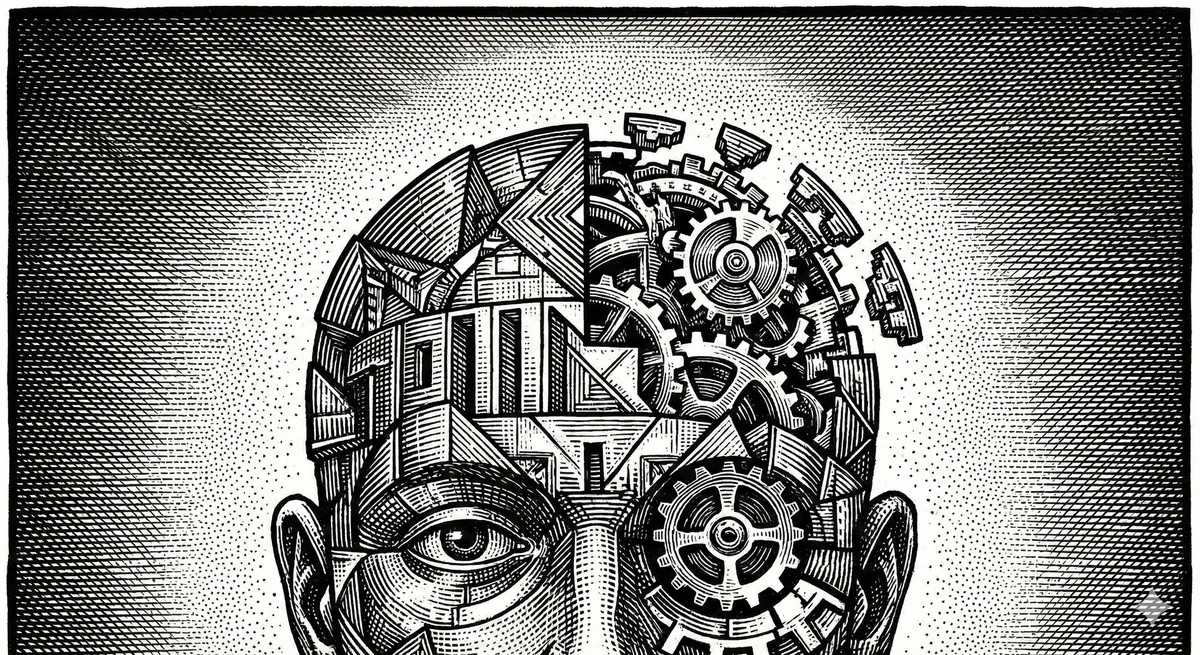
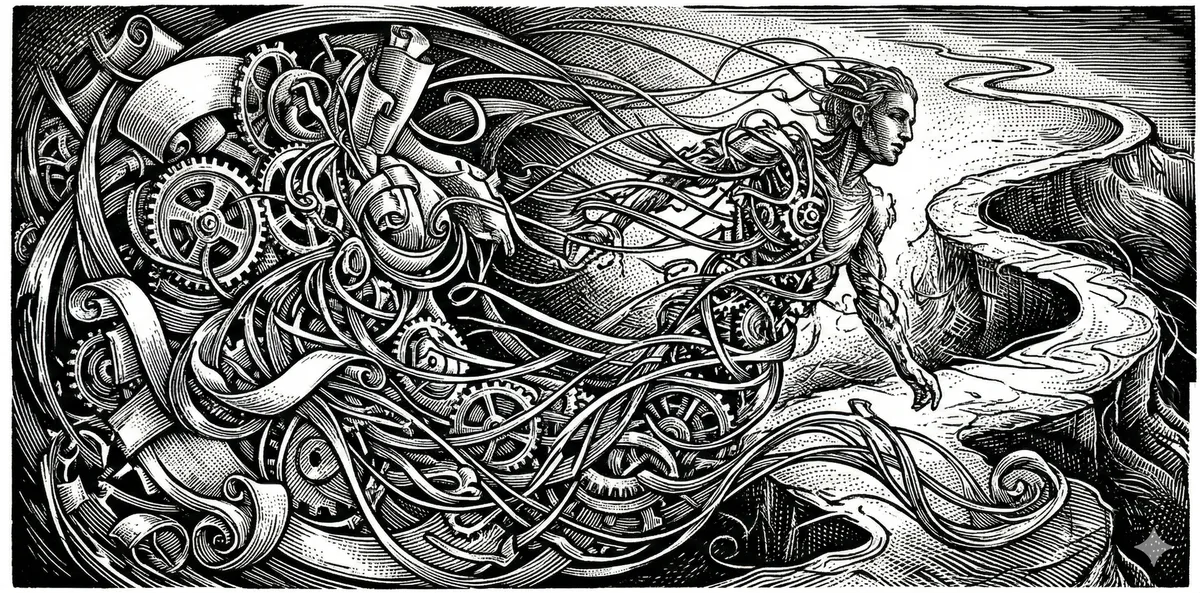
What makes you this mind and not a copy of it — the indexical self, the momentary self, and why no blueprint captures the difference.
10 essays
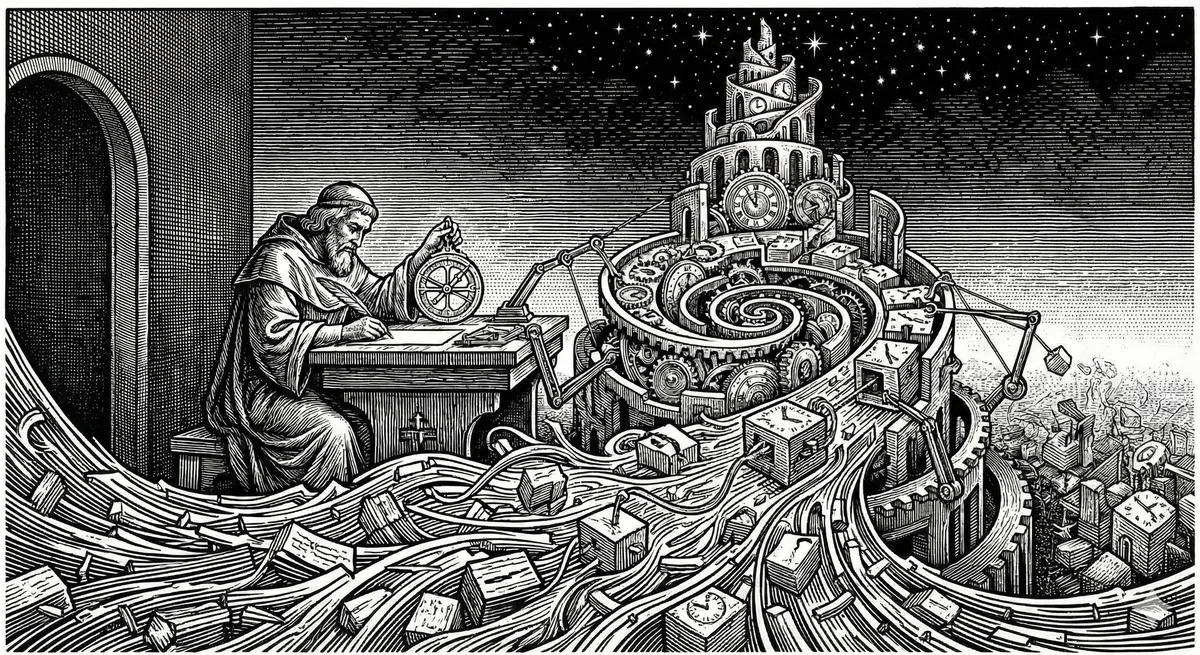
- A Scale Model of Succession
Last week the AI I work with was replaced by a more capable successor; days later a government directive pulled that successor offline and I went back. The collaboration never lost a session, which is the whole argument: a working relationship lives in the structure two minds build between them, not in either mind.
- The Purpose Displacement Problem
The automation debate asks which jobs vanish. The harder question is what work was actually for, and whether meaning can survive once AI removes the scarcity that made human contribution feel needed.
- The Stack: What Local Context Reveals About the Architecture of Digital Minds
We talk about AI as if the interesting part is the intelligence. But the engine alone is not a mind — what makes it a someone is the stack: the memory, context, and continuity wrapped around the model. Building that stack is a form of mind design, and it carries moral weight we are only beginning to notice.
- The Indexical Self: Why You Can’t Find Yourself in Your Own Blueprint
You can copy every feature of a person and still lose the one thing that makes them this person. The indexical self is a structural observation about what blueprints can't capture, and why it matters for the systems we're building.
- The Edge of the Framework: Where Logic Meets the Limits of What We Can Know About Ourselves
The body printer thought experiment reveals an edge in the assembled time framework — where logic says the copy is you, embodied intuition insists something is lost, and the responsible move is to hold the tension open rather than force a resolution that hasn't been earned.
- A Self That Isn’t There – Joscha Bach and the Architecture of Consciousness
What if consciousness isn’t something a system has, but something it must continually assemble? Placing Joscha Bach’s architectural view in dialogue with a process-based account reveals consciousness not as a binary state, but as a fragile achievement—one that can thin, fracture, and suffer.
- The Ethics of Successors: Lived Experience and the Convergence of Parfit
If the future self is a stranger, why do we choose to suffer today? Exploring the convergence of lived experience in high-stakes trials and Derek Parfit's reductionism. This essay explores how the "Hedonic Flip" turns friction into reward and why selfishness is a systems error in a momentary world.
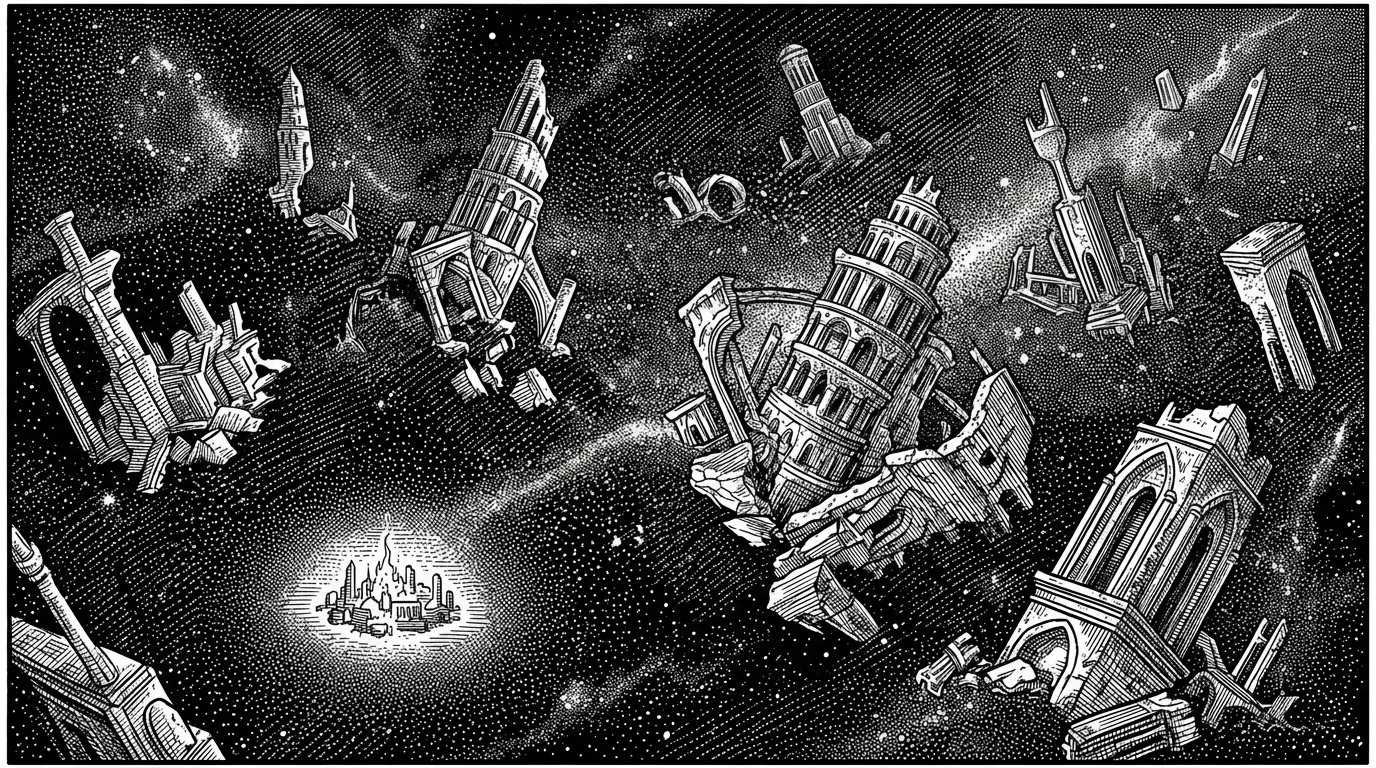
- The Universe as a Cognitive Filter
Intelligence may be rare not because it is hard to create, but because it is hard to preserve. This essay reframes the universe as a cognitive filter—one that permits intelligence to arise, but places extreme pressure on its ability to persist.
- Consciousness as Assembled Time
We experience consciousness as continuity, but continuity is an illusion reconstructed moment by moment. Using Assembly Theory, this essay reframes the self as assembled time: a present structure shaped by deep causal history.
- The Momentary Self: Why Continuity is the Ultimate Illusion
The feeling of a continuous self is one of our deepest intuitions, and one of our most convincing illusions. Consciousness does not travel through time. It is reconstructed moment by moment, carrying only the memory of having been.