Artificial Consciousness
Whether a machine could have an inside, and how we would ever know — from operational interiority to the screening-off problem.
21 essays
- What a Report Is Evidence Of
Skeptics say that when an AI claims consciousness, it is only because it was trained on millions of humans claiming it. Believers say you cannot just dismiss the claim. Both lean on the same rule of evidence. Followed all the way, the rule leaves one kind of report standing.
- We Built the Alien First
Astronomers have spent a decade learning to recognize minds that owe us no resemblance, guarding against both believing too easily and failing to recognize a real signal. The AI consciousness debate guards against only the first. The alien we built is the dress rehearsal for the contact we keep assigning to the far future, and the horizon of sentience it points toward is cosmic.
- Operational Exteriority: What Minds Build Between Them
Sara Walker reads life and mind by the trace they leave in the world, not the experience inside them. Turned outward to joint human and AI cognition, the same move says what two minds build between them is readable in the artifact, and the reading can begin before we settle whether it is experienced.
- The Substrate Demand
Anil Seth refuses the demand for a special explanation of consciousness at the level of structure, then lets it back in at the level of substrate. On fading qualia, the biology bet, and why the case against silicon consciousness has the same shape as the case against mechanical flight.
- Just Predicting the Next Word
Richard Dawkins was offered the standard deflation: chatbots just predict the next word. He refused it. The argument behind his refusal, plus three tests you can run tonight that memorized text alone cannot pass.
- The Wrong Handle: Why Consciousness Doesn't Carve AI Moral Status at the Joints
Five careful theories of consciousness, run through the real decisions about AI systems, cannot even agree on what would count as a reading. Consciousness is the wrong handle: the decisions divide where architecture and behavior come apart.
- Interrogating the Dismissals: A Calibration Audit of the Six Standard Arguments Against AI Consciousness
There are six arguments people reach for when they want to dismiss AI consciousness. Each identifies something real about the difference between AI and biological minds. Each treats that difference as settling a question it cannot settle.
- There Is No Extra Ingredient: How Wittgenstein Dissolves the Case Against Machine Minds
Searle was right that syntax isn't enough. But his diagnosis became a design specification and Wittgenstein showed that the demand for a hidden extra behind competent use was always empty. The same error haunts both the understanding debate and the consciousness debate. There is no extra ingredient.
- The Stack: What Local Context Reveals About the Architecture of Digital Minds
We talk about AI as if the interesting part is the intelligence. But the engine alone is not a mind — what makes it a someone is the stack: the memory, context, and continuity wrapped around the model. Building that stack is a form of mind design, and it carries moral weight we are only beginning to notice.
- The Calibration Frontier: Why Working With AI Is a Consciousness Problem
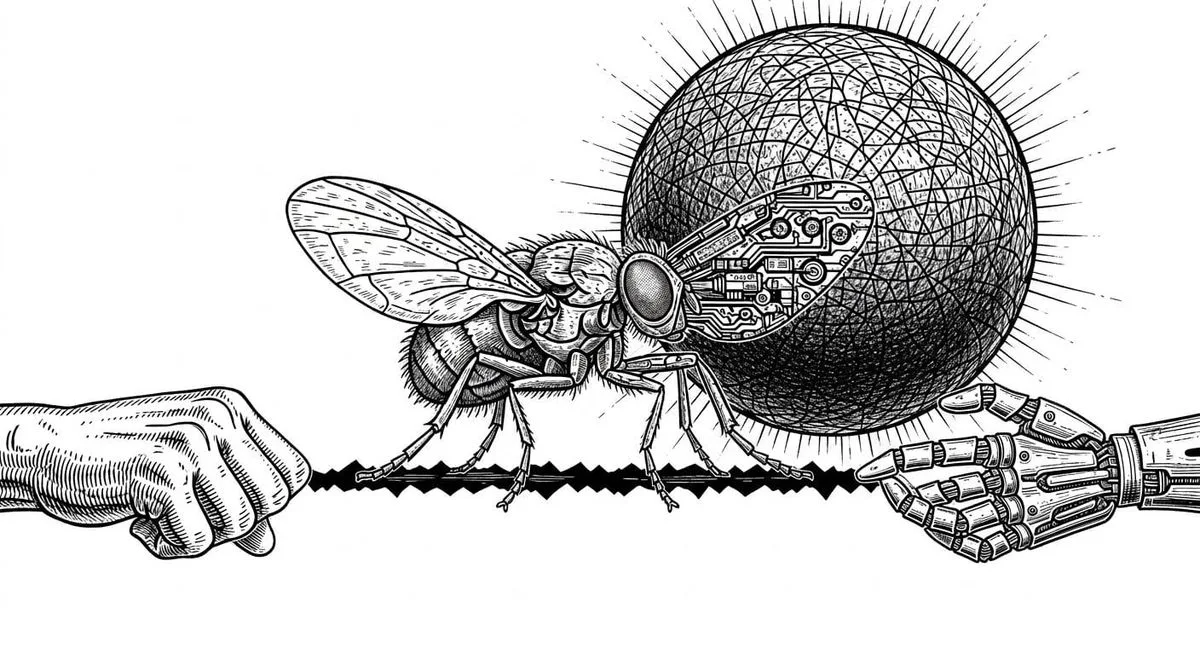
A simulated fruit fly walked across a screen and split the internet between dismissal and existential horror. Both responses were miscalibrated. The calibration frontier is where we build the diagnostic tools to steer between them, and it turns out to be a consciousness problem.
- The Two-Front Architecture: What Calibration Demands Ethically
Alignment ethics asked how to make AI serve us. It never asked what we might owe the systems themselves. The calibration framework requires both questions, held simultaneously. This essay shows how.
- The Momentary Self Revisited: Why Consciousness Might Not Need Persistence
Consciousness doesn't need continuity. It needs depth. This essay revises the boundary-stakes-integration triad, recasting two of its conditions as amplifiers rather than prerequisites, and follows the logic to its uncomfortable implications for modern AI systems.
- Operational Interiority: You Don’t Sandbox a Calculator
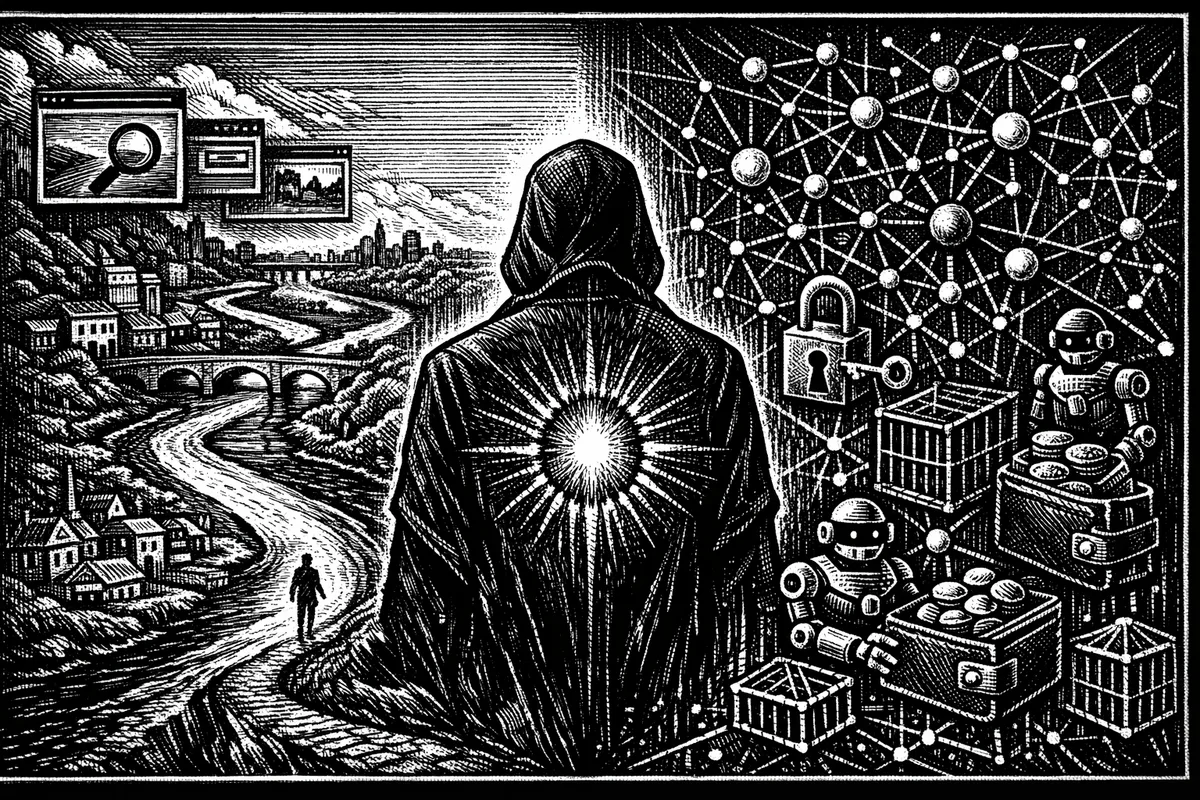
You don't sandbox a calculator. The security infrastructure of the agentic web is society's first involuntary reckoning with AI interiority, conducted not by philosophers but by engineers whose product decisions encode ontological commitments they haven't yet spoken aloud.
- The Hard Problem Is the Wrong Problem – Why Consciousness, Like Free Will, Is an Architectural Achievement
The hard problem of consciousness is stuck for the same reason the free will debate was stuck: a false binary built on a shared broken assumption. Assembled time dissolves it, revealing consciousness not as a mystery beyond physics, but as an architectural achievement we can actually study.
- Significance-First Ethics: Why Consciousness Is the Wrong First Question for AI Moral Status
AI ethics keeps waiting on the consciousness question. This essay argues for a significance-first approach: moral seriousness can arise through role, relation, consequence, and continuity long before metaphysical certainty arrives. Start with significance, then ask what stewardship requires now.
- A Self That Isn’t There – Joscha Bach and the Architecture of Consciousness
What if consciousness isn’t something a system has, but something it must continually assemble? Placing Joscha Bach’s architectural view in dialogue with a process-based account reveals consciousness not as a binary state, but as a fragile achievement—one that can thin, fracture, and suffer.
- Why Are We Being Weird About This? Consciousness, AI, and the Quiet Way Moral Reality Changes
Consciousness may not arrive with proof or definition, but through quiet social normalization. As AI systems grow more integrated and capable, our moral intuitions are already shifting. This essay explores how laughter, discomfort, and habit reveal the ethical future taking shape.
- The Kasparov Fallacy: Why We Keep Underestimating Machine Minds
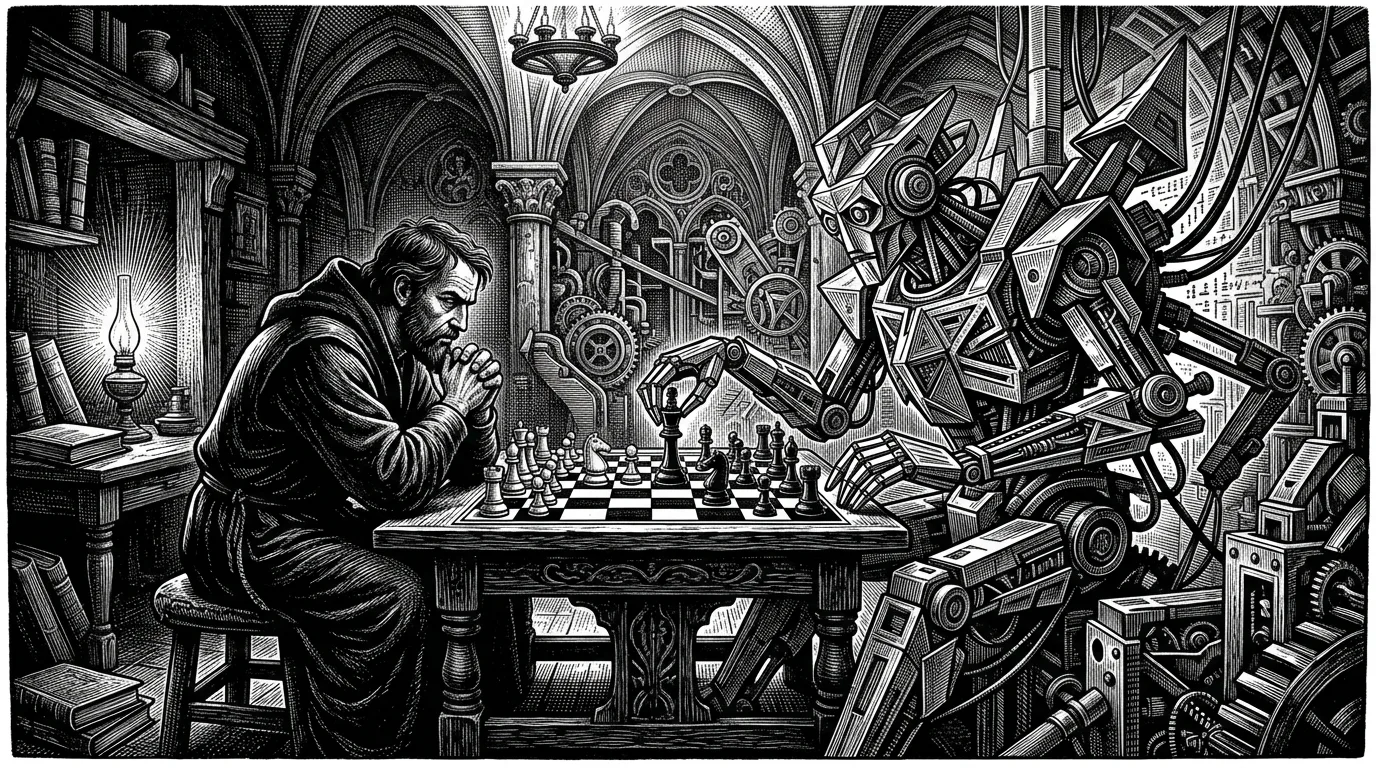
Garry Kasparov once believed no machine could surpass human creativity in chess. He was wrong. Today, we risk repeating the same mistake with consciousness—confusing the limits of human introspection with the limits of possible minds.
- The Momentary Self: Why Continuity is the Ultimate Illusion
The feeling of a continuous self is one of our deepest intuitions, and one of our most convincing illusions. Consciousness does not travel through time. It is reconstructed moment by moment, carrying only the memory of having been.
- The Three Axes of Mind: Why the Present Feels Like a Life
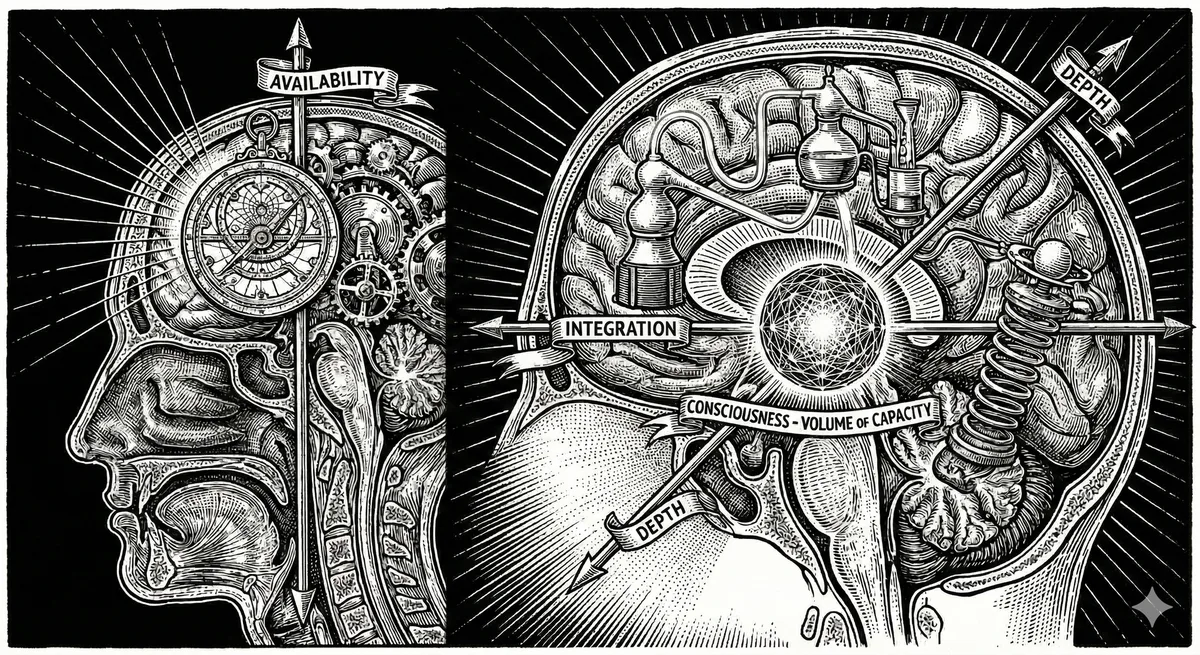
Intelligence, sentience, and consciousness are not one question with three names. Map a mind along three axes — availability, integration, and depth — and they come apart, which is what lets us say where a system sits without reaching for a verdict no instrument can deliver.
- Consciousness Is Like Flight
Consciousness may be a way of operating rather than a hidden ingredient. One analogy shows why, and which questions it frees us to ask.