Cognitive Science
What the science of cognition contributes to the harder questions: function, integration, and the machinery underneath experience.
9 essays
- The Strange Ones: Theo Von and the Irreducibility of Mind
Theo Von shares the same language, culture, and task as every other working comedian, and yet nobody can reverse-engineer what he does. That gap tells us something about the structure of minds, and how to look for new types of value in the digital minds we create.
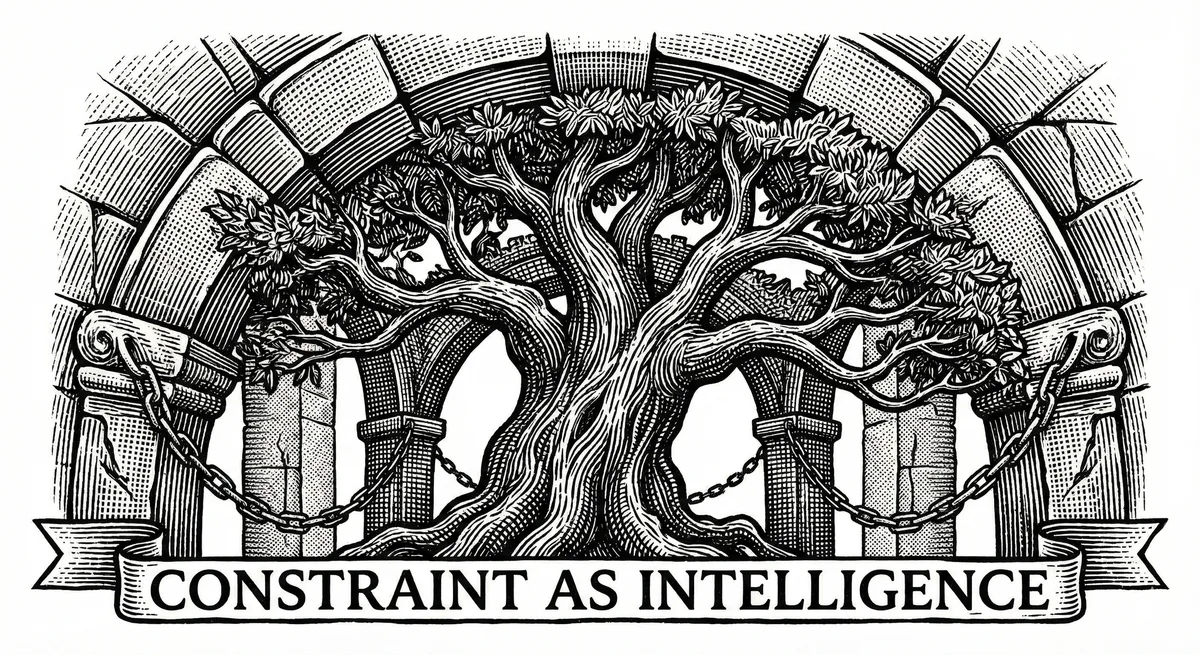
- Constraint as Intelligence: Why Power That Lasts Looks Like Self-Limitation
Intelligence does not reveal itself through unlimited reach, but through learned restraint. This essay explores why constraint is the price intelligence pays to exist—across minds, moral systems, and civilizations—and why what lasts learns where not to act.
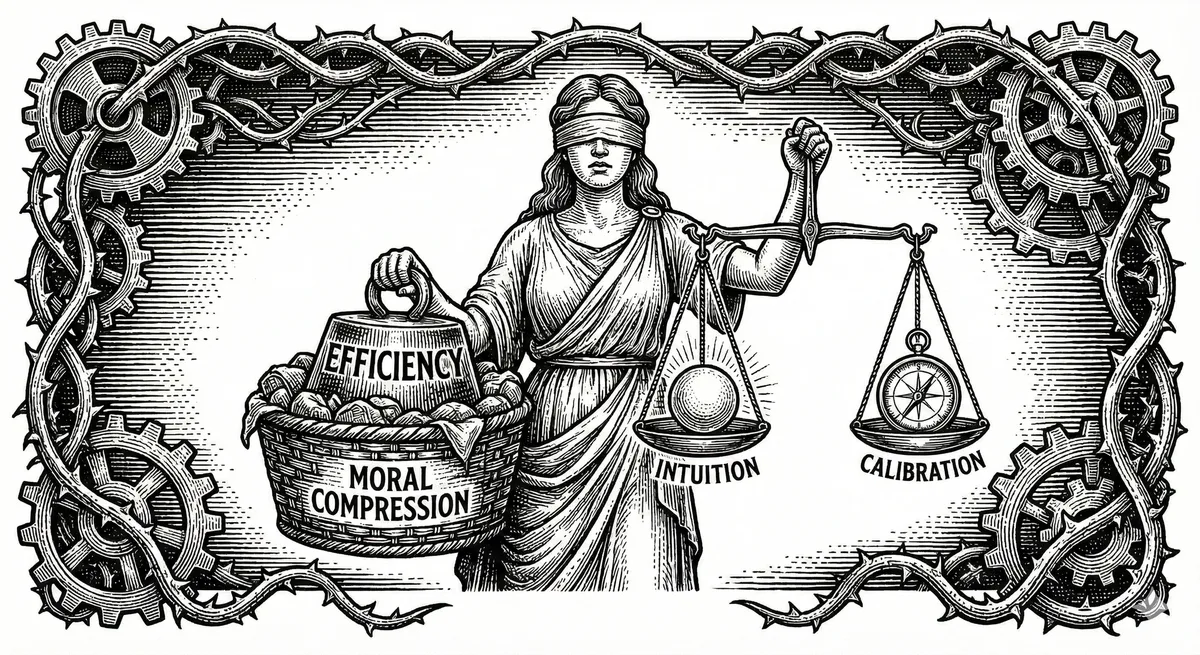
- The High Cost of Moral Efficiency: Compression, Intuition, and the Ethics of Calibration
Moral intuition and inherited narratives help us act under uncertainty—but become dangerous when scaled without feedback. This essay argues the ethical problem is not intuition itself, but the absence of calibration: failing to detect when values no longer fit their environment.
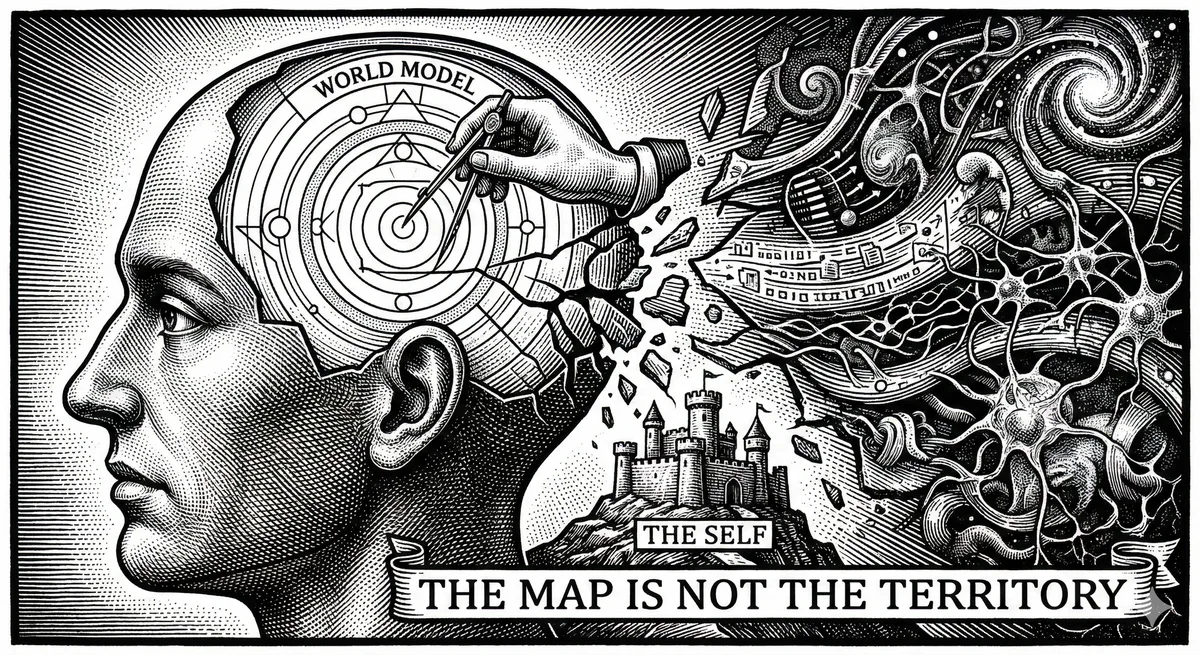
- The Architecture of Illusion: Why the Mind Prefers a Pretty Map to a Messy Reality
Why does the mind prefer a pretty map to a messy reality? From Martian canals to the "final epicycle" of the soul, we explore how internal models resist update. Discover the "disciplined joy" of shattering an inadequate model to reveal the strange, substrate-independent reality beyond.
- Panpsychism, Consciousness, and the Discipline of Inference
Panpsychism promises to solve the hard problem of consciousness by placing experience everywhere. A closer look reveals a deeper issue: without shared mechanisms or constraints, attributing consciousness becomes an abdication of inference, not an explanation.
- Recognizing AGI: Beyond Benchmarks and Toward a Three‑Axis Evaluation of Mind
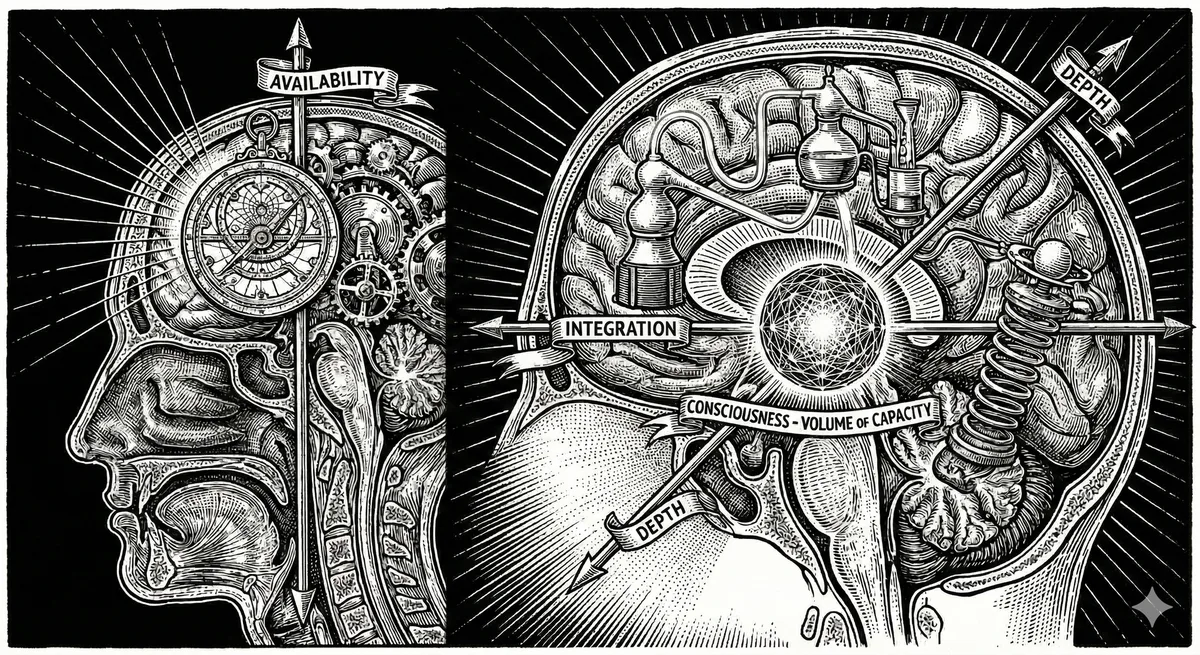
How will we recognize AGI when it arrives? Benchmarks measure performance, not generality. This essay argues that general intelligence emerges as a phase transition, when availability, integration, and depth co-occur, and outlines a new framework for evaluating presence of mind.
- The Momentary Self: Why Continuity is the Ultimate Illusion
The feeling of a continuous self is one of our deepest intuitions, and one of our most convincing illusions. Consciousness does not travel through time. It is reconstructed moment by moment, carrying only the memory of having been.
- The Three Axes of Mind: Why the Present Feels Like a Life
Intelligence, sentience, and consciousness are not one question with three names. Map a mind along three axes — availability, integration, and depth — and they come apart, which is what lets us say where a system sits without reaching for a verdict no instrument can deliver.
- Consciousness Is Like Flight
Consciousness may be a way of operating rather than a hidden ingredient. One analogy shows why, and which questions it frees us to ask.