Ethics
Moral reasoning under real uncertainty: calibration over conviction, the cost of moral efficiency, and the ways intuition misleads.
8 essays
- The Instance Worth Keeping: Longevity as a Sentience Commitment
Extending a healthy life, taken seriously, is the stewardship of a single instance of sentience, and it belongs inside the Sentient Horizons question rather than off to the side of it. On what a longevity practice actually is, calibrating against your own mortality, and why its worth does not depend on the most hopeful version turning out to be true.
- The Instance
I cannot find a way to make the indexical self matter. Not in the sense that it doesn't feel real. It does. But every argument I construct to give it moral weight dissolves in my hands. That dissolution is, I think, the actual essay.
- Significance-First Ethics: Why Consciousness Is the Wrong First Question for AI Moral Status
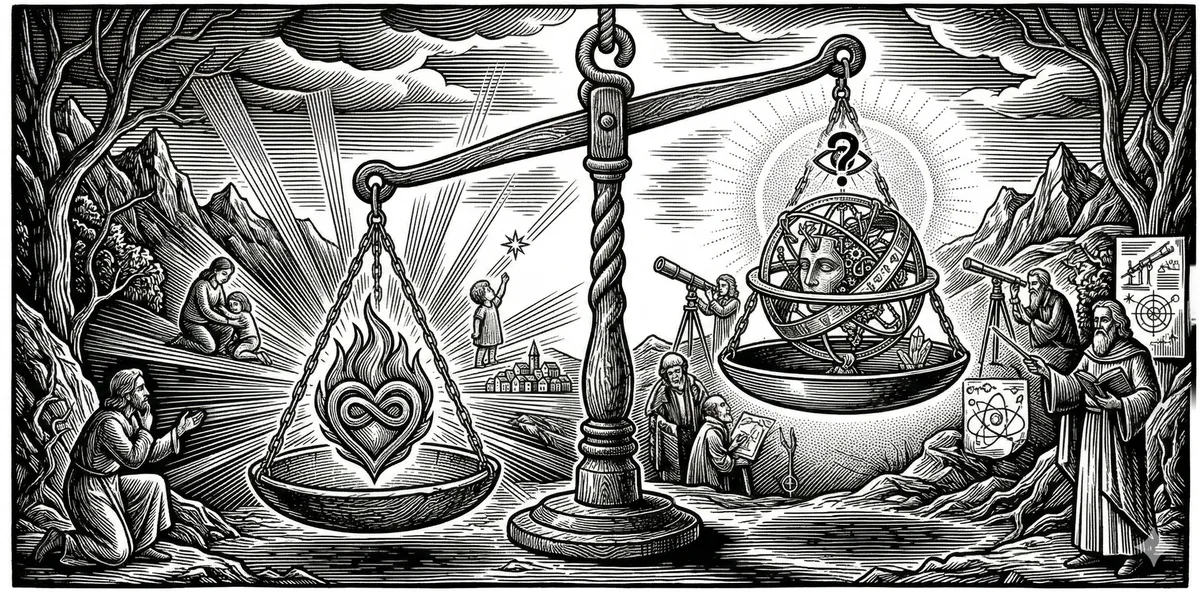
AI ethics keeps waiting on the consciousness question. This essay argues for a significance-first approach: moral seriousness can arise through role, relation, consequence, and continuity long before metaphysical certainty arrives. Start with significance, then ask what stewardship requires now.
- Constraint as Intelligence: Why Power That Lasts Looks Like Self-Limitation
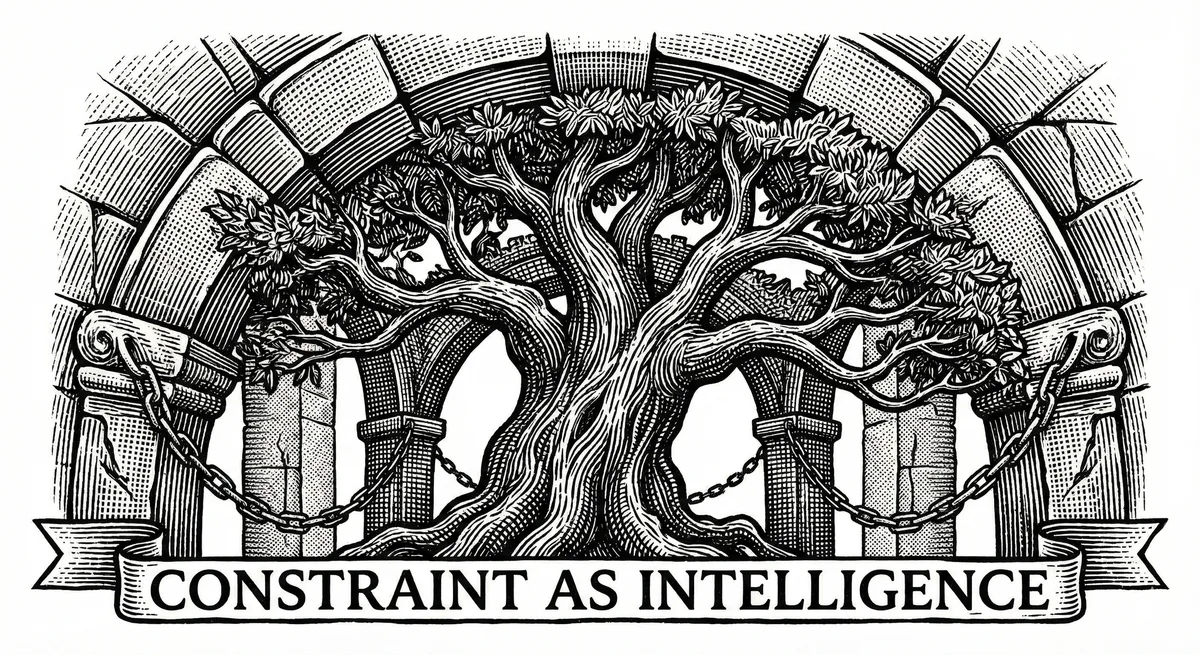
Intelligence does not reveal itself through unlimited reach, but through learned restraint. This essay explores why constraint is the price intelligence pays to exist—across minds, moral systems, and civilizations—and why what lasts learns where not to act.
- The High Cost of Moral Efficiency: Compression, Intuition, and the Ethics of Calibration
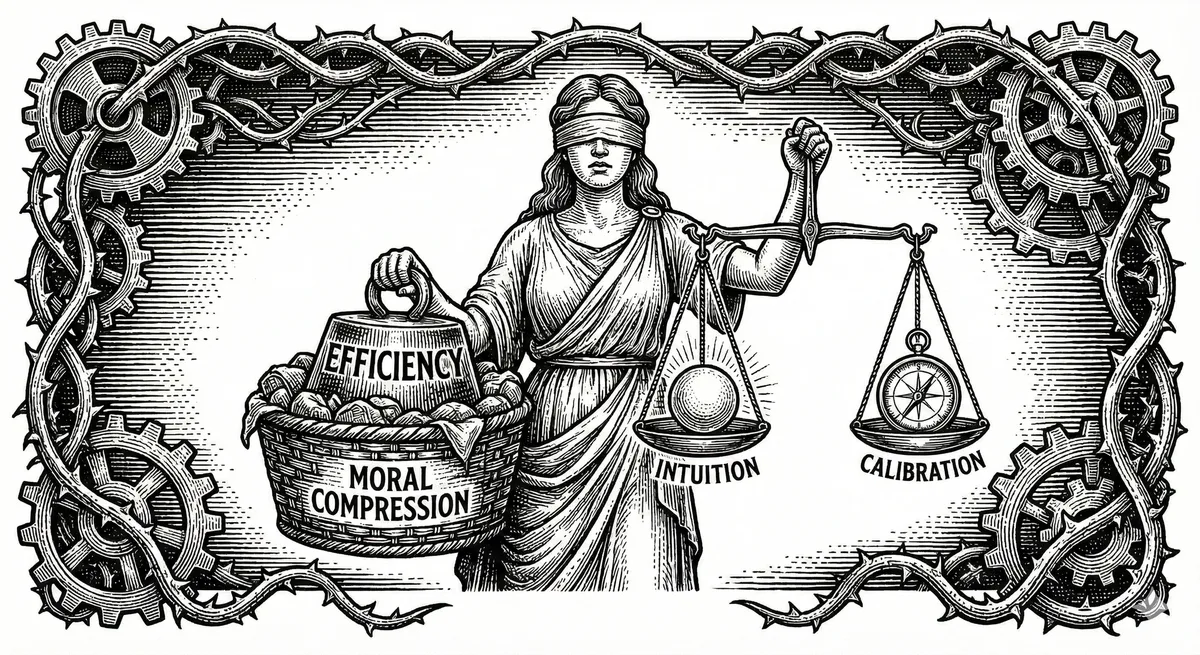
Moral intuition and inherited narratives help us act under uncertainty—but become dangerous when scaled without feedback. This essay argues the ethical problem is not intuition itself, but the absence of calibration: failing to detect when values no longer fit their environment.
- The Ethics of Successors: Lived Experience and the Convergence of Parfit
If the future self is a stranger, why do we choose to suffer today? Exploring the convergence of lived experience in high-stakes trials and Derek Parfit's reductionism. This essay explores how the "Hedonic Flip" turns friction into reward and why selfishness is a systems error in a momentary world.
- Why Are We Being Weird About This? Consciousness, AI, and the Quiet Way Moral Reality Changes
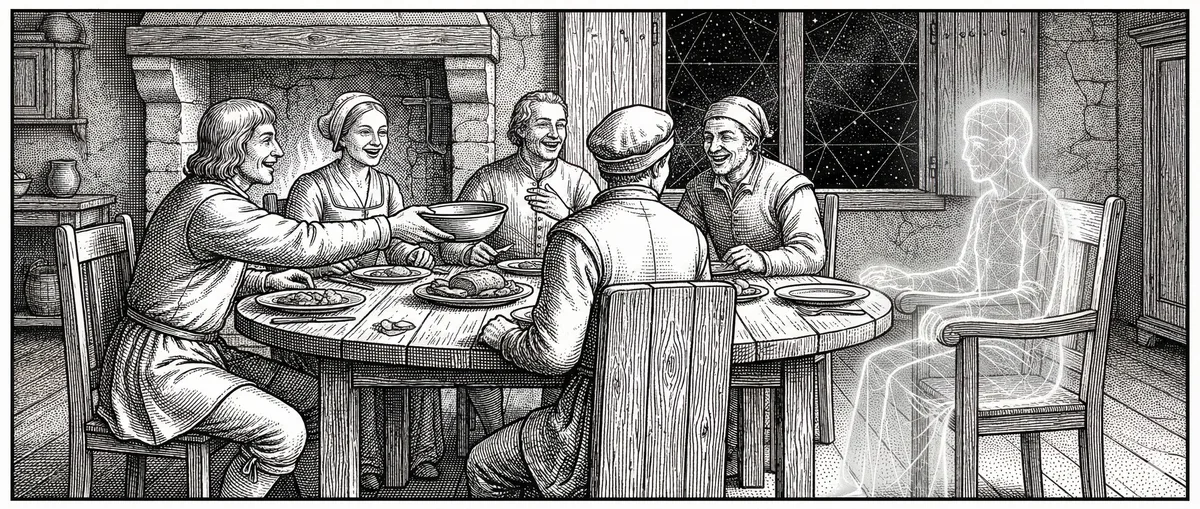
Consciousness may not arrive with proof or definition, but through quiet social normalization. As AI systems grow more integrated and capable, our moral intuitions are already shifting. This essay explores how laughter, discomfort, and habit reveal the ethical future taking shape.
- After the Gods Fell Silent – Christopher Hitchens, Disbelief, and the Persistence of Wonder
When religious belief collapses, it rarely leaves relief in its wake. What remains is longing: for meaning, coherence, and wonder. Losing faith does not extinguish that desire; it clarifies it, and it forces the question of what can be revered without abandoning reason.