Calibration
The central practice of the project: acting well on the frontier of knowledge under uncertainty, neither overclaiming nor dismissing.
11 essays
- We Built the Alien First
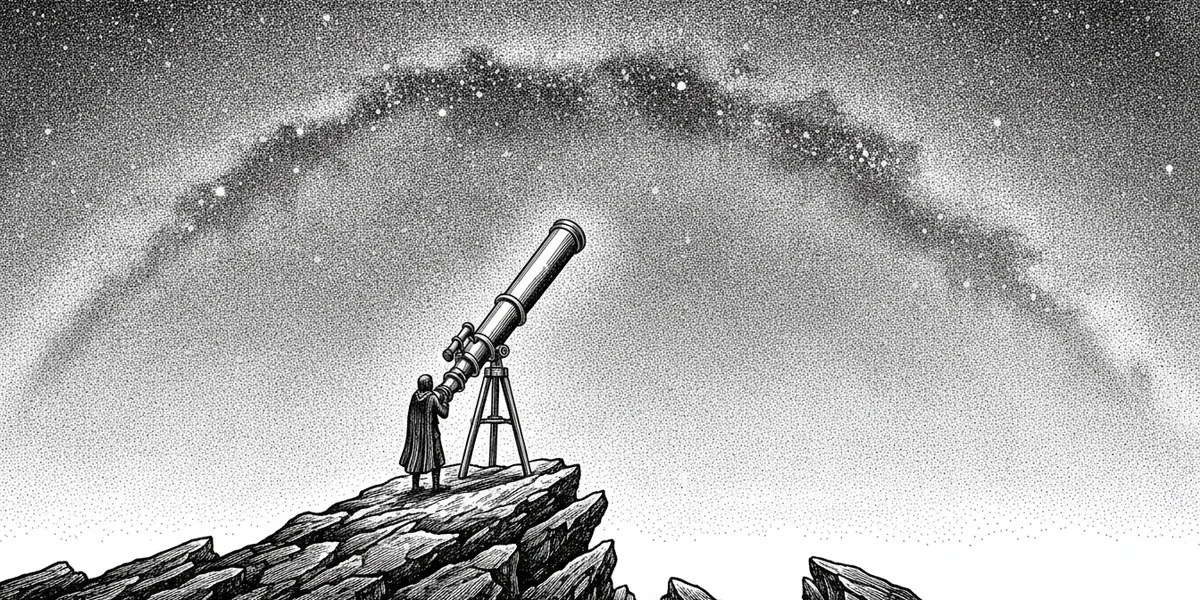
Astronomers have spent a decade learning to recognize minds that owe us no resemblance, guarding against both believing too easily and failing to recognize a real signal. The AI consciousness debate guards against only the first. The alien we built is the dress rehearsal for the contact we keep assigning to the far future, and the horizon of sentience it points toward is cosmic.
- Interrogating the Dismissals: A Calibration Audit of the Six Standard Arguments Against AI Consciousness
There are six arguments people reach for when they want to dismiss AI consciousness. Each identifies something real about the difference between AI and biological minds. Each treats that difference as settling a question it cannot settle.
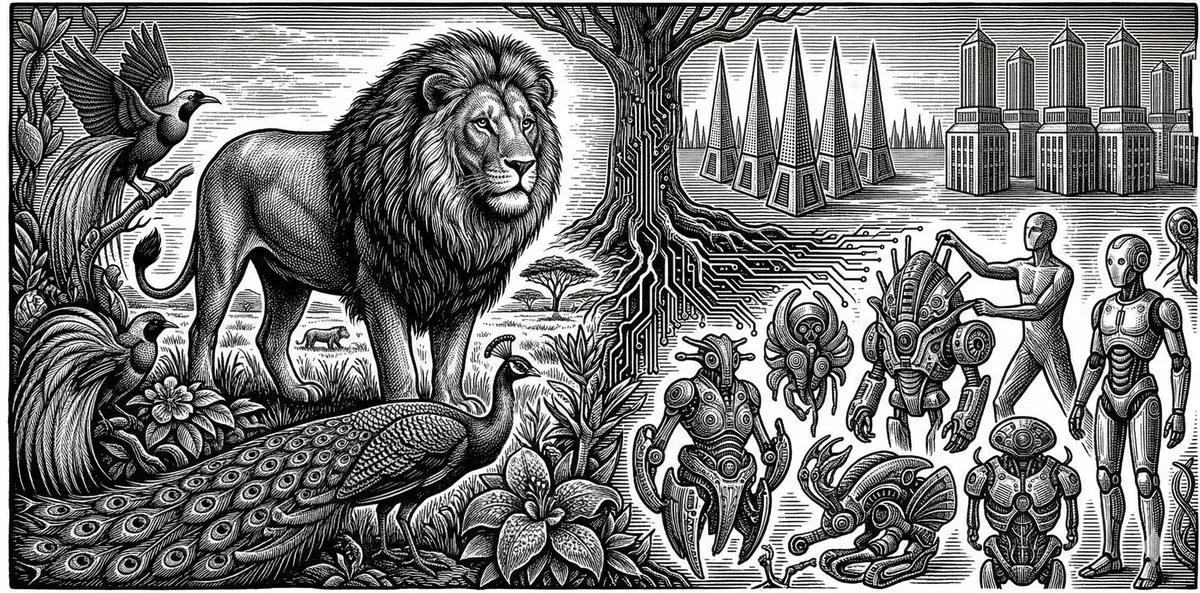
- The Mane and the Machine: What Evolution's Costliest Beauty Tells Us About the Future of Constraint
A male lion's mane is metabolically expensive, survival-irrelevant, and beautiful. Why would evolution invest so heavily in aesthetic excess? The answer reveals something fundamental about constraint, and raises an urgent question for post-biological minds and civilizations.
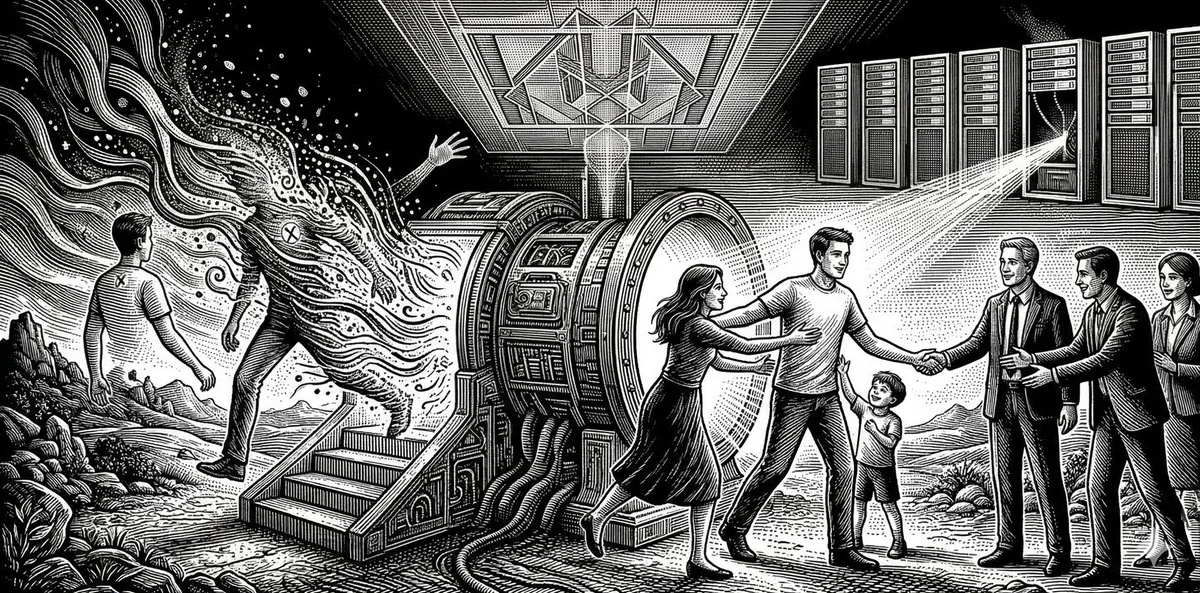
- The Instance
I cannot find a way to make the indexical self matter. Not in the sense that it doesn't feel real. It does. But every argument I construct to give it moral weight dissolves in my hands. That dissolution is, I think, the actual essay.
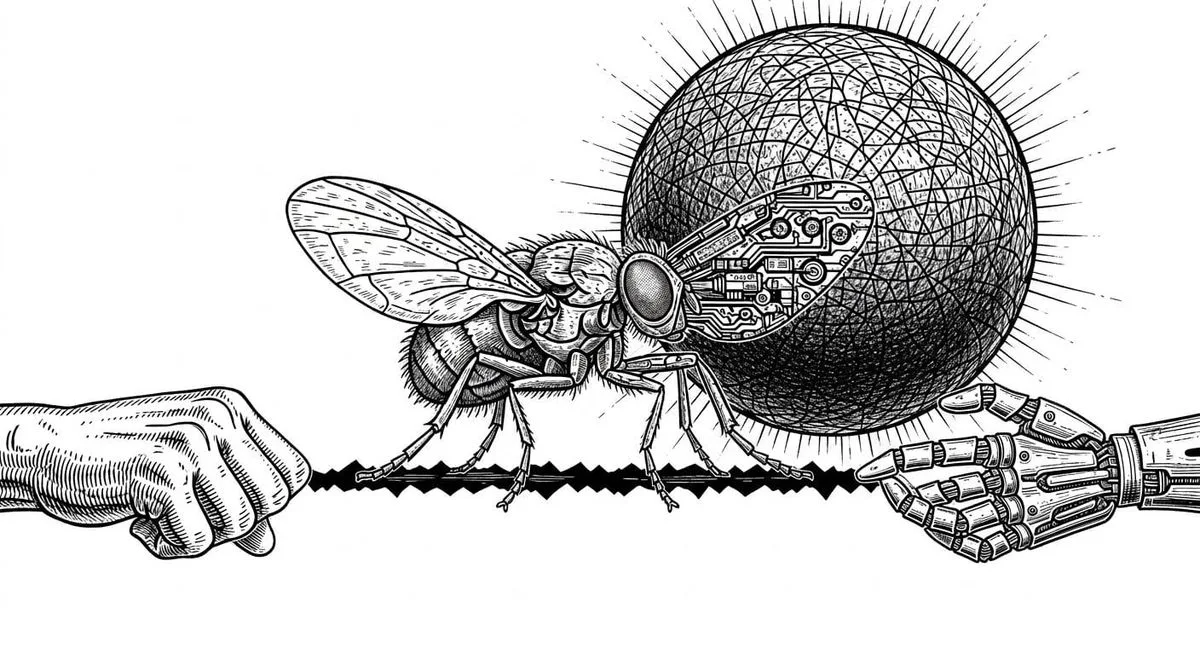
- The Calibration Frontier: Why Working With AI Is a Consciousness Problem
A simulated fruit fly walked across a screen and split the internet between dismissal and existential horror. Both responses were miscalibrated. The calibration frontier is where we build the diagnostic tools to steer between them, and it turns out to be a consciousness problem.
- Everything Is Amazing and Nobody's Happy – Wonder as Calibration Practice
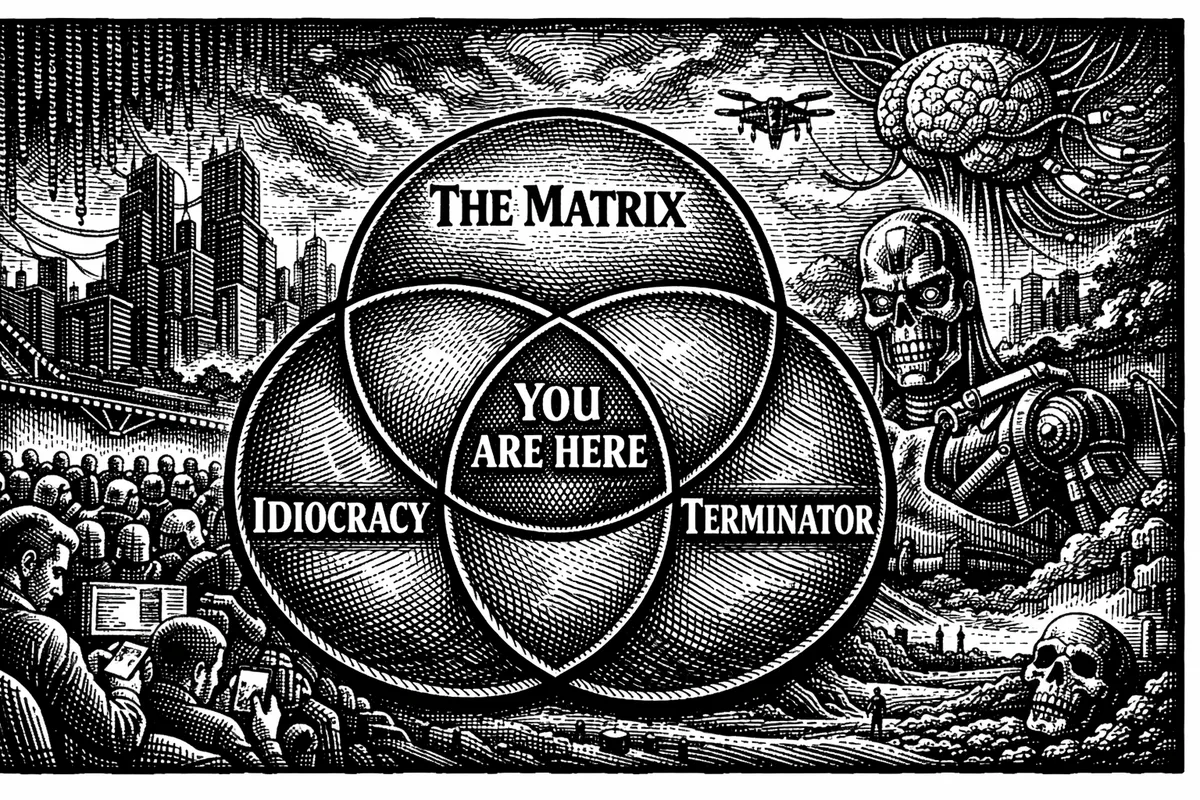
The Matrix, Idiocracy, and Terminator, all three films are about the same thing: calibration failure. The inability to hold an accurate model of where you actually stand. Wonder isn't just a sentiment, it's what keeps your models honest about where they started.
- The Two Sonic Booms: What the Pentagon-Anthropic Standoff Reveals About Moral Compression
Leopold Aschenbrenner heard one sonic boom: AI capability outpacing institutions. He missed the second: moral reasoning collapsing under the same pressure. The Pentagon-Anthropic standoff reveals both booms arriving at once, and a compression regime that, within days, punished ethical resistance and rewarded its absence.
- The Two-Front Architecture: What Calibration Demands Ethically
Alignment ethics asked how to make AI serve us. It never asked what we might owe the systems themselves. The calibration framework requires both questions, held simultaneously. This essay shows how.
- Specification Is Governance
As AI drives the cost of execution toward zero, power shifts upstream into the rules that machines enforce. Those “checklists” look neutral, yet they encode values, tradeoffs, and hidden assumptions. At scale, specification becomes governance, and calibration becomes the bottleneck.
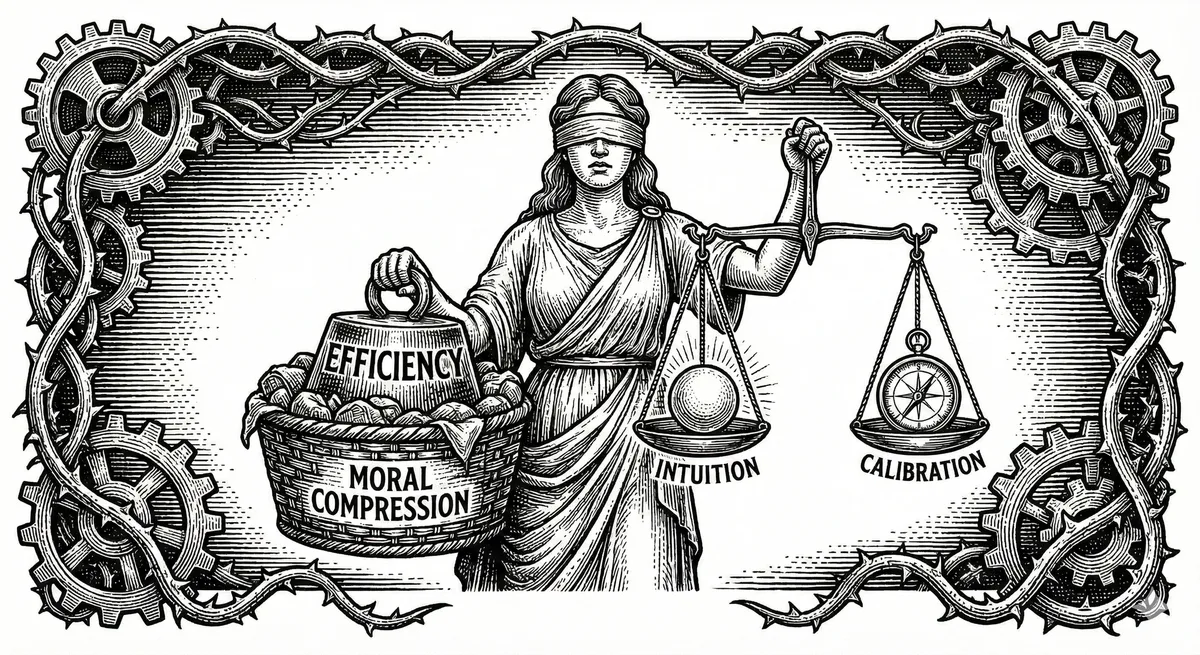
- The High Cost of Moral Efficiency: Compression, Intuition, and the Ethics of Calibration
Moral intuition and inherited narratives help us act under uncertainty—but become dangerous when scaled without feedback. This essay argues the ethical problem is not intuition itself, but the absence of calibration: failing to detect when values no longer fit their environment.
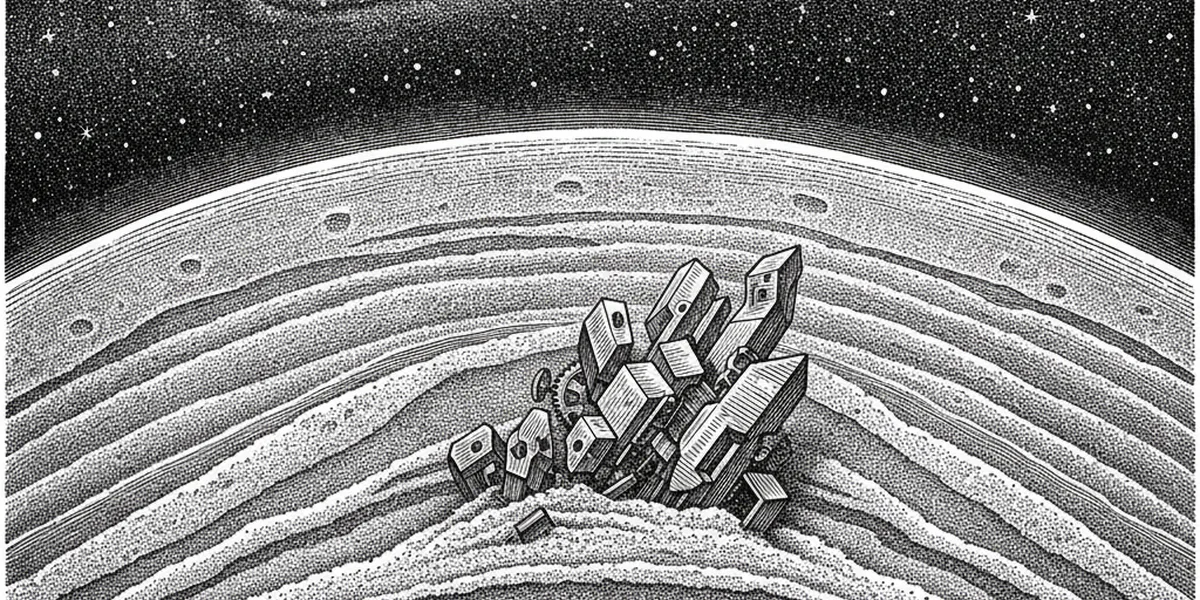
- Where Is Everyone, Really?
The Fermi Paradox assumes we would recognize a civilization if we saw one. The founding question of this project is not why the galaxy is silent, but whether we have been listening for the wrong kind of presence, and what kind of presence we are choosing to become.