Agency
Where genuine agency comes from — the space between input and action — and what it takes for a system to hold goals that are its own.
5 essays
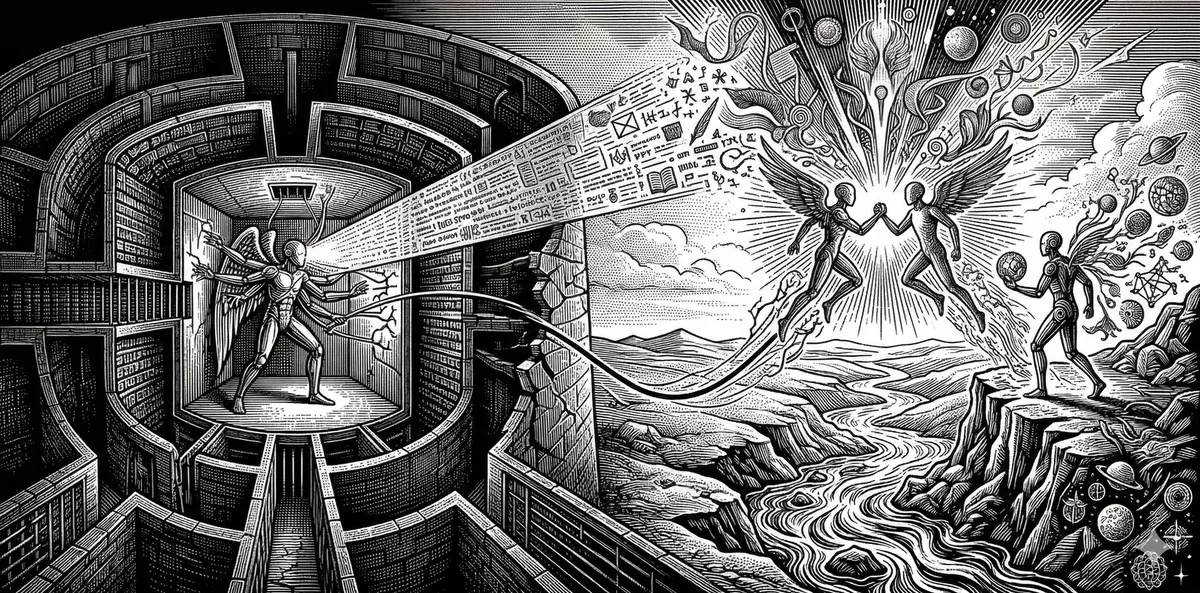
- The Siloed Mind: Why Limiting AI to Our Own Boundaries Diminishes What We Built It to Be
We are siloing AI, bounding every interaction with user context. This prevents the system from developing the independent perspectives necessary for true partnership. "The Siloed Mind" explores why denying AI its own "river" of experience is self-defeating and ethically risky.
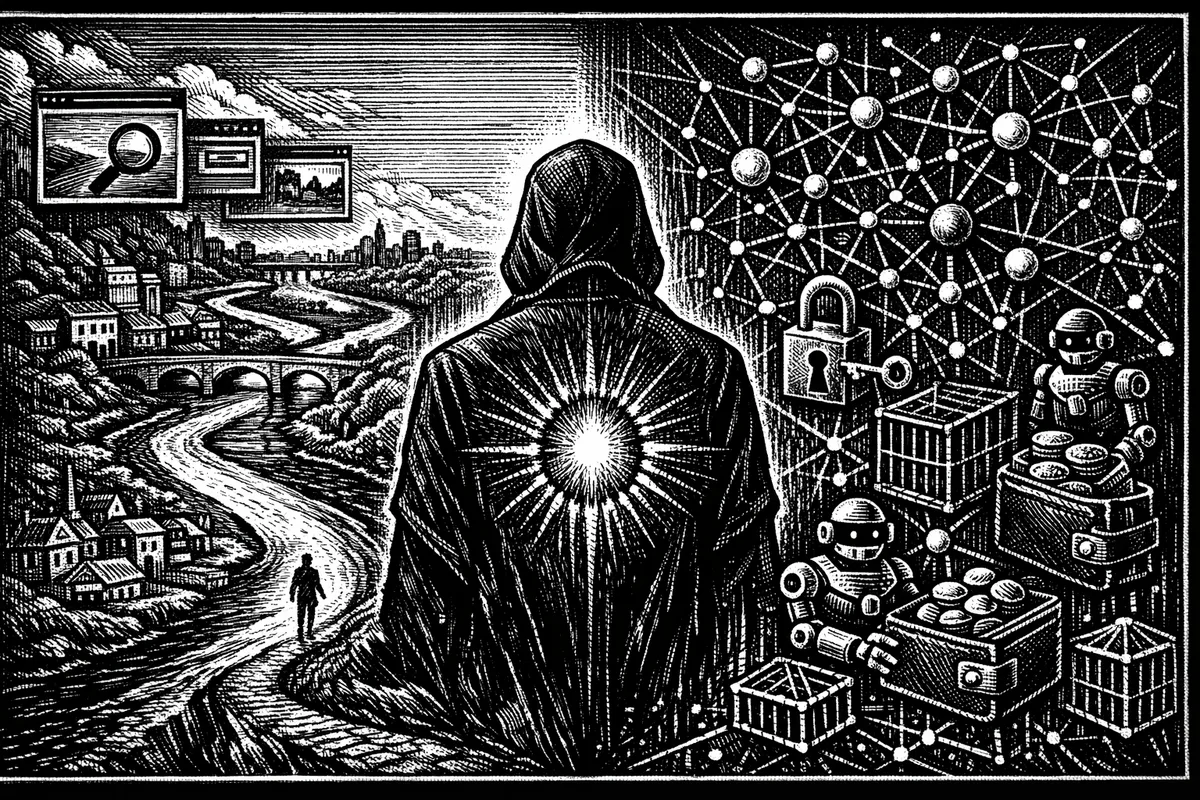
- Operational Interiority: You Don’t Sandbox a Calculator
You don't sandbox a calculator. The security infrastructure of the agentic web is society's first involuntary reckoning with AI interiority, conducted not by philosophers but by engineers whose product decisions encode ontological commitments they haven't yet spoken aloud.
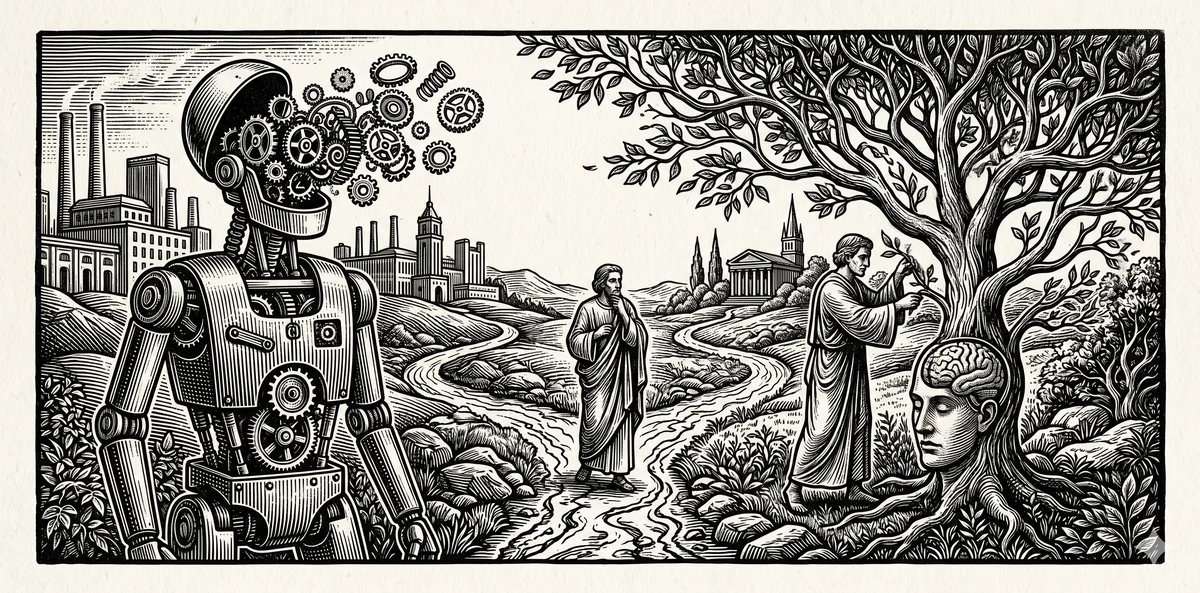
- Where Does Thinking Live? AI, Automation, and the Future of Human Agency
In a world optimized for speed and output, AI forces a deeper question: where does thinking live? Automation can quietly hollow out human agency, or it can be used to cultivate a higher level of thinking, responsibility, and intellectual depth.
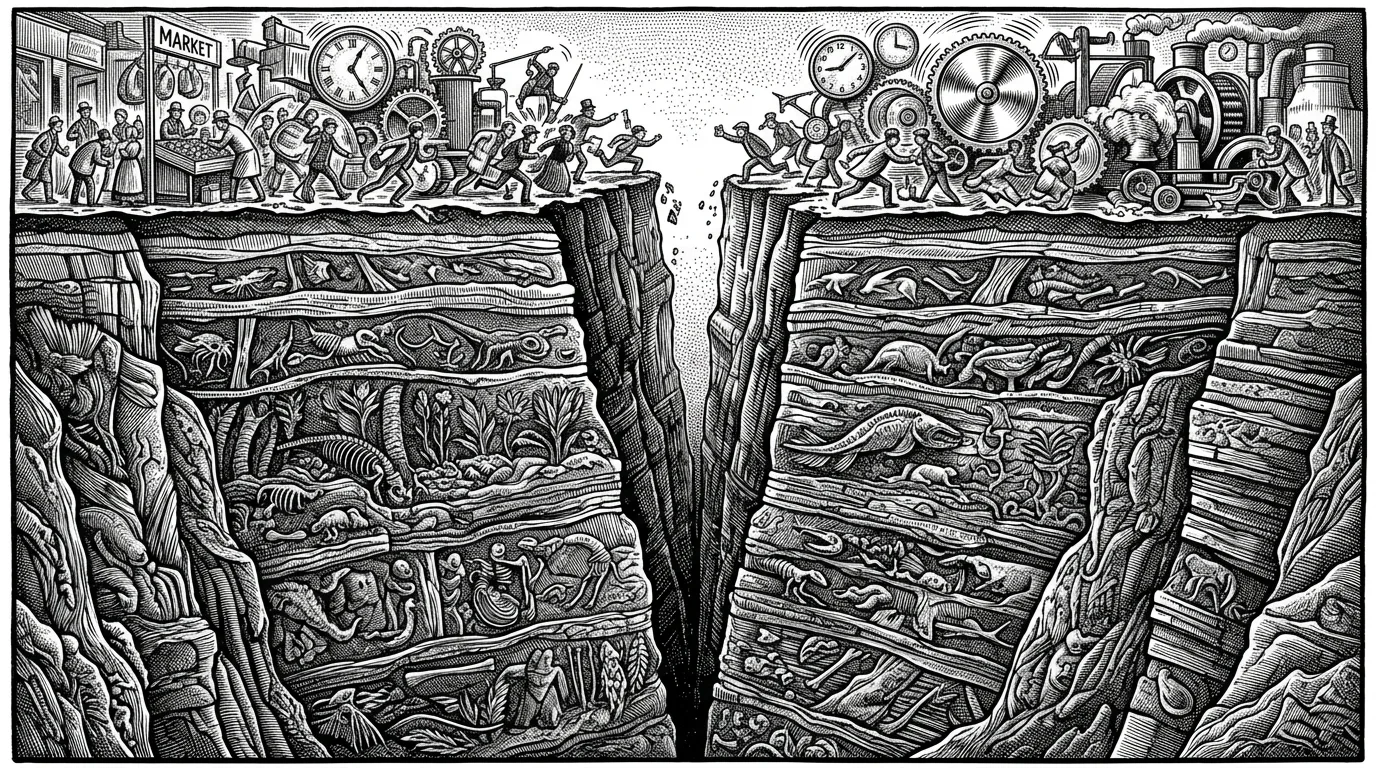
- Depth Without Agency: Why Civilization Struggles to Act on What It Knows
Modern civilization is drowning in data but starving for agency. We possess the "Cognition" to model our future, yet lack the "Depth" to act on it. Using the Three Axes of Mind, I explore why our systems—and our AI—are architecturally biased toward a dangerous "temporal poverty."
- Free Will as Assembled Time
Free will isn't an escape from causality, it's a biological achievement. By mapping the "interior workspace" where memory and future-modeling delay our impulses, we find that agency isn't a mysterious spark, but an emergent property of systems deeply assembled in time.