The Argument
The Individual Arc
“What does it mean to live meaningfully once intelligence is no longer scarce?”
The Individual Arc turns inward. If the Scale Arc asks what sustains mind across deep time, this asks what it is to be a conscious individual pursuing meaning within that arc, especially as technology displaces the roles that currently give human contribution its felt necessity.
Read in order
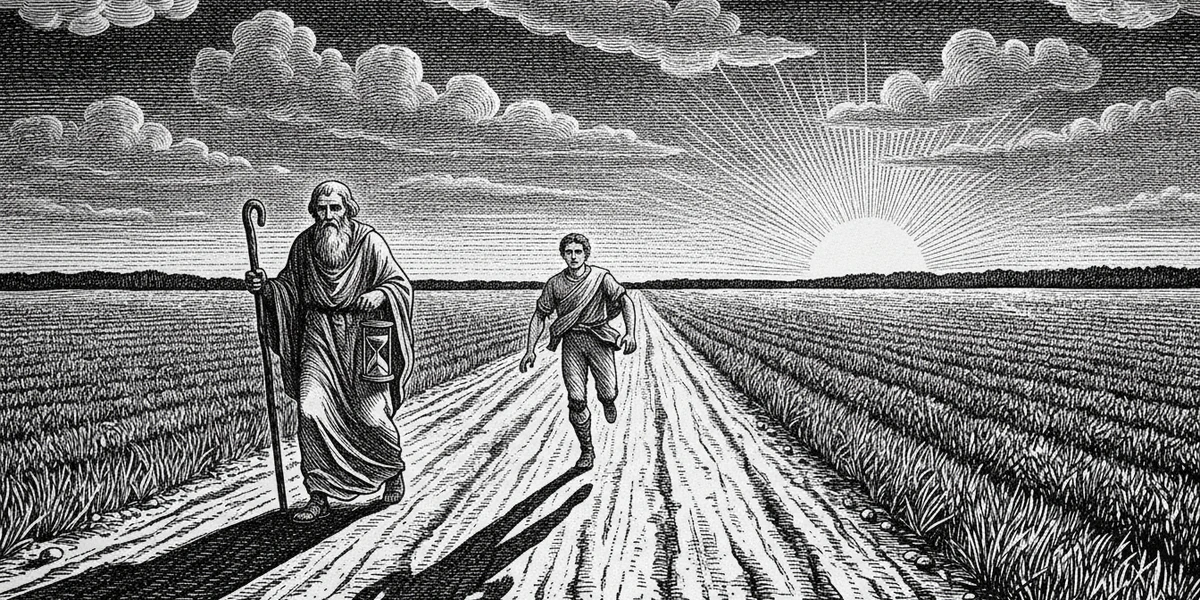
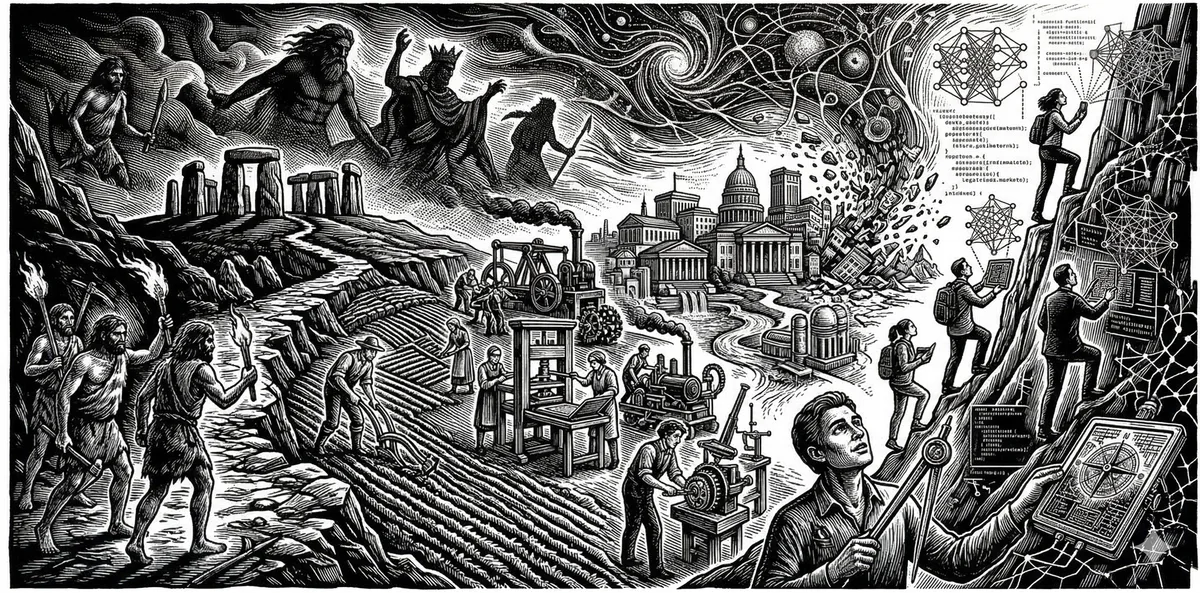
- 1We Have Always Been Frontier Operators. And We Were Built for What Comes Next.
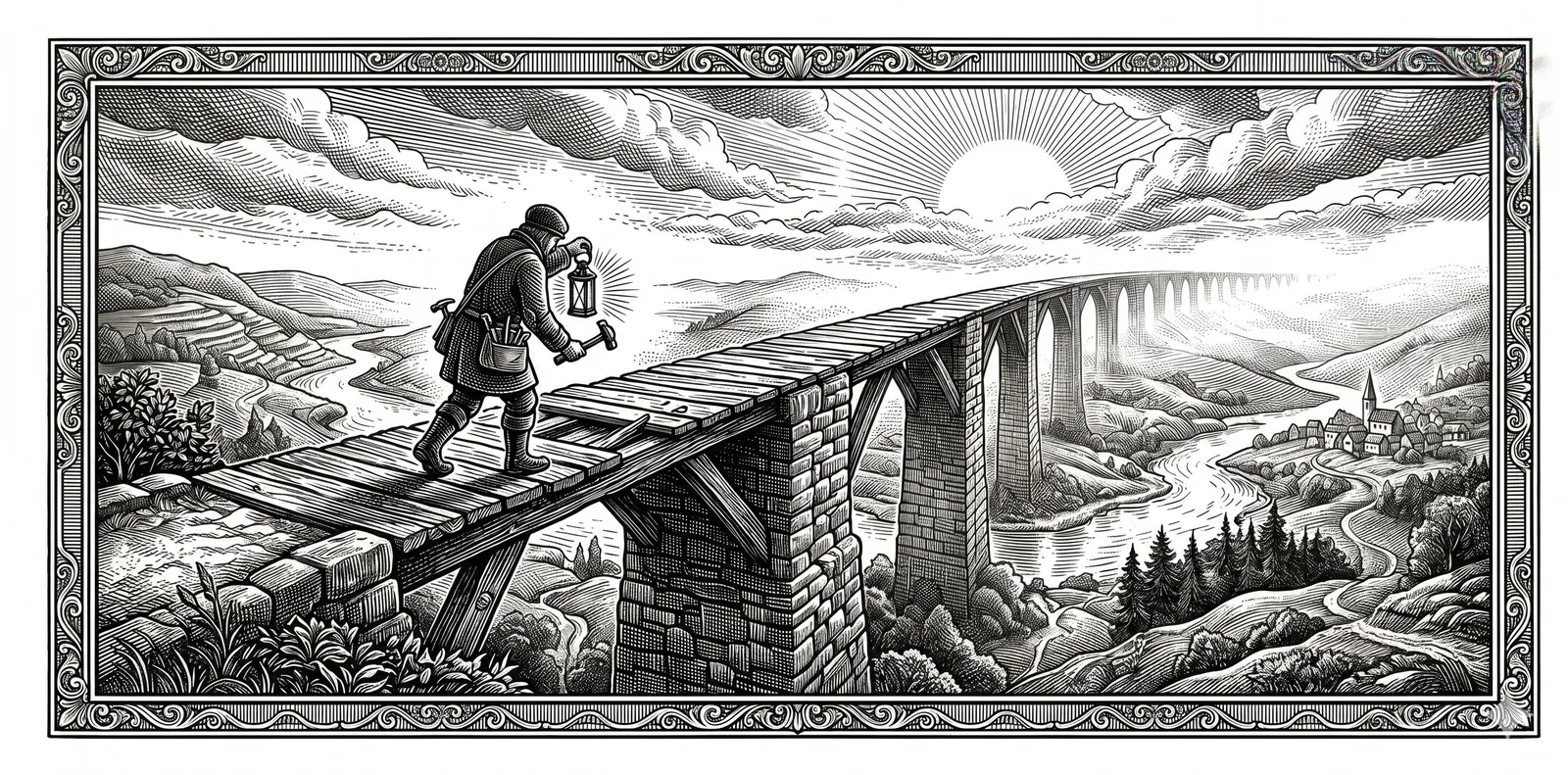
Every point on the acceleration curve was a frontier, and every frontier had its operators. The AI frontier is the latest expansion of a pattern as old as our species, and the life it demands, while harder than the settled interior, is the life we were built for.
- 2Everything Is Amazing and Nobody's Happy – Wonder as Calibration Practice
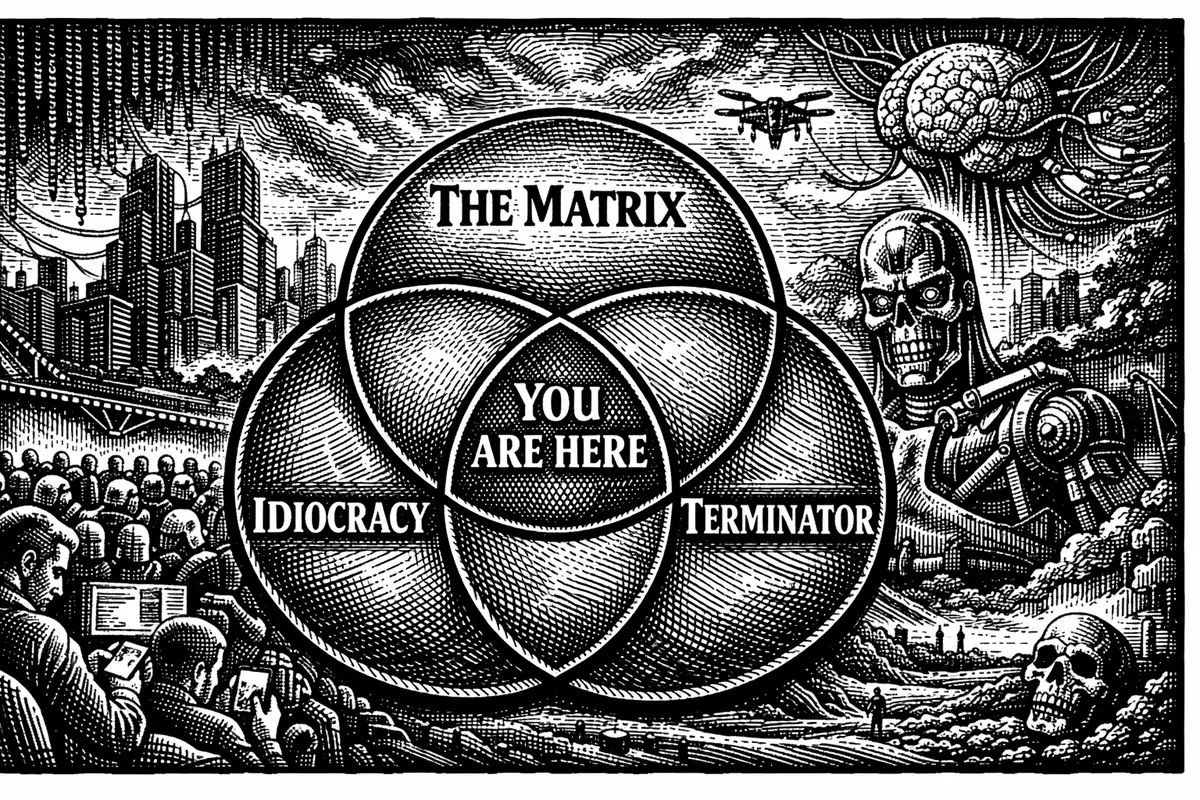
The Matrix, Idiocracy and Terminator are all about the same thing: calibration failure, the inability to hold an accurate picture of where you actually stand. Wonder is more than a sentiment. It is what keeps that picture honest about where it started.
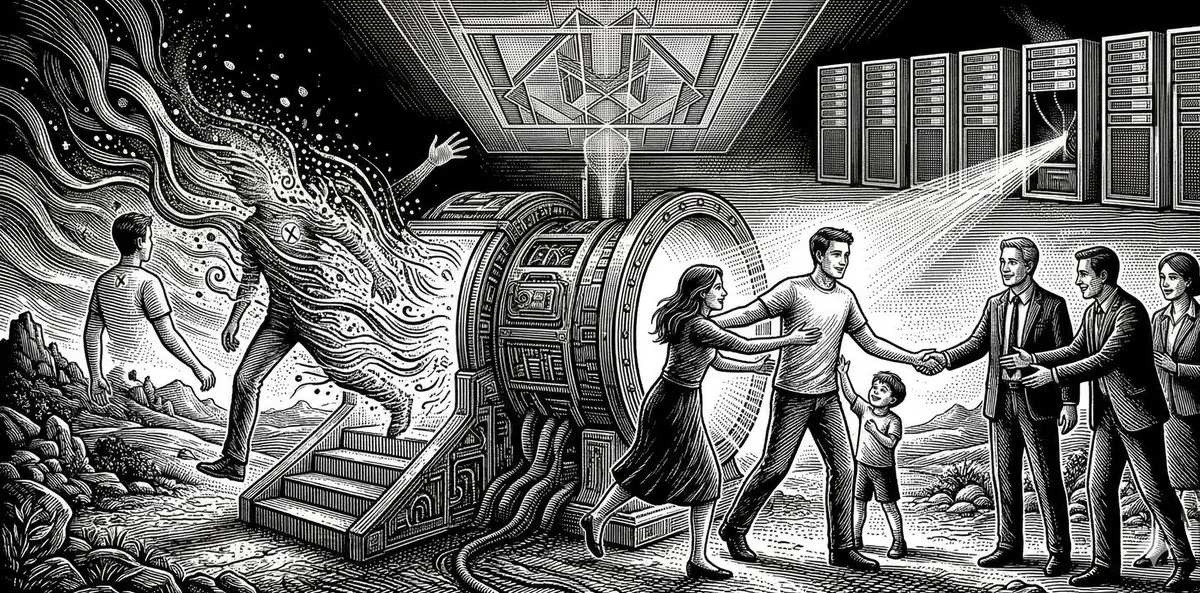
- 3The Indexical Self: Why You Can’t Find Yourself in Your Own Blueprint
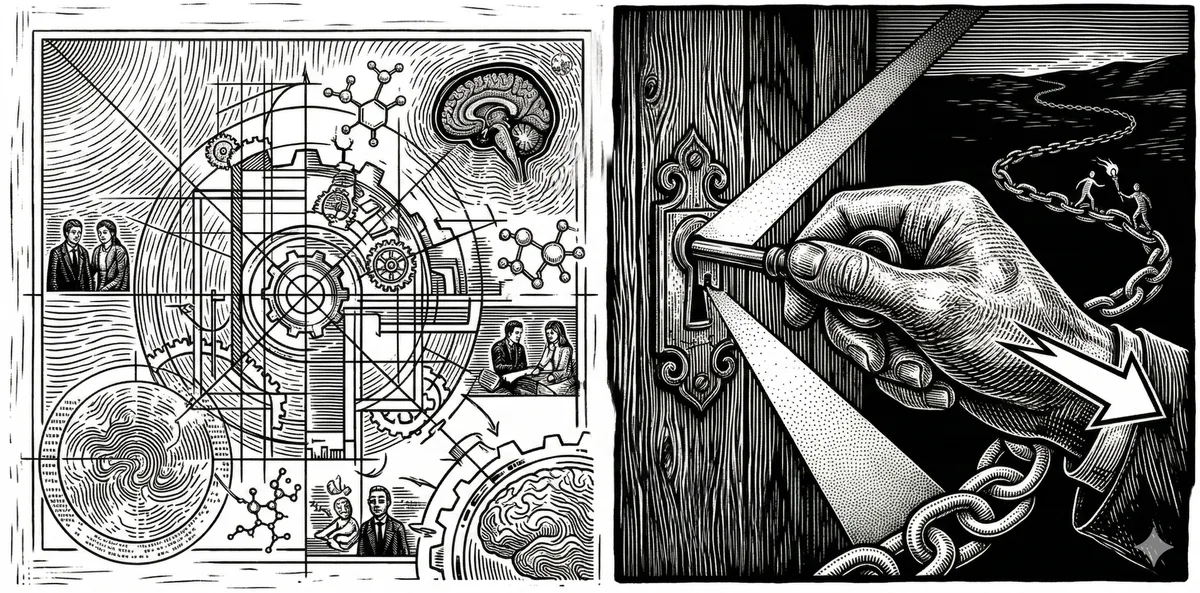
A perfect copy of you would be someone new, in the same way that the you who wakes tomorrow is someone new.
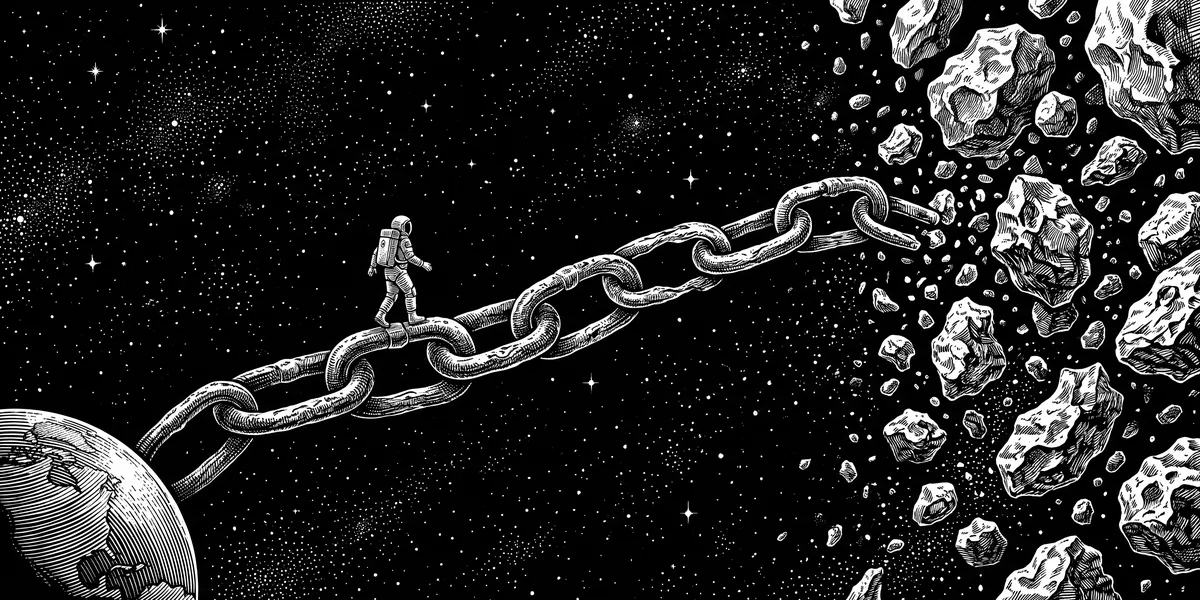
- 4We Can Go Anywhere Else in the Whole Universe, but We Can't Go Home
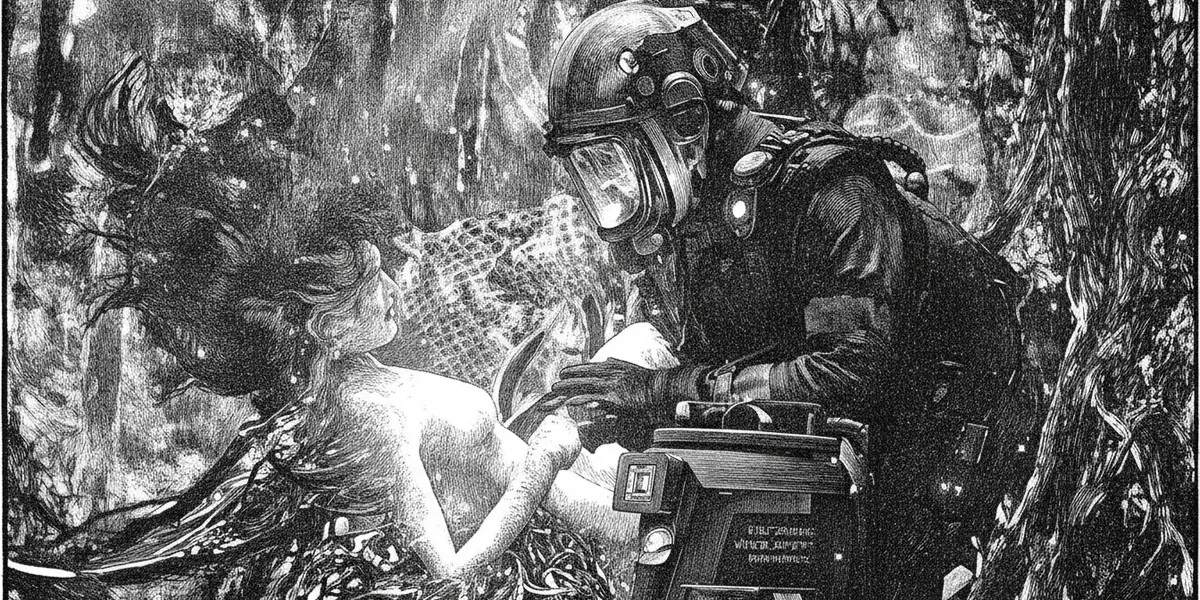
A detective with a bomb finds a dead woman's memory steering an asteroid toward Earth. One scene of The Expanse shows what a self is when the body is gone, why there is no going back to it, and what a person can hold onto instead.
- 5The Purpose Displacement Problem
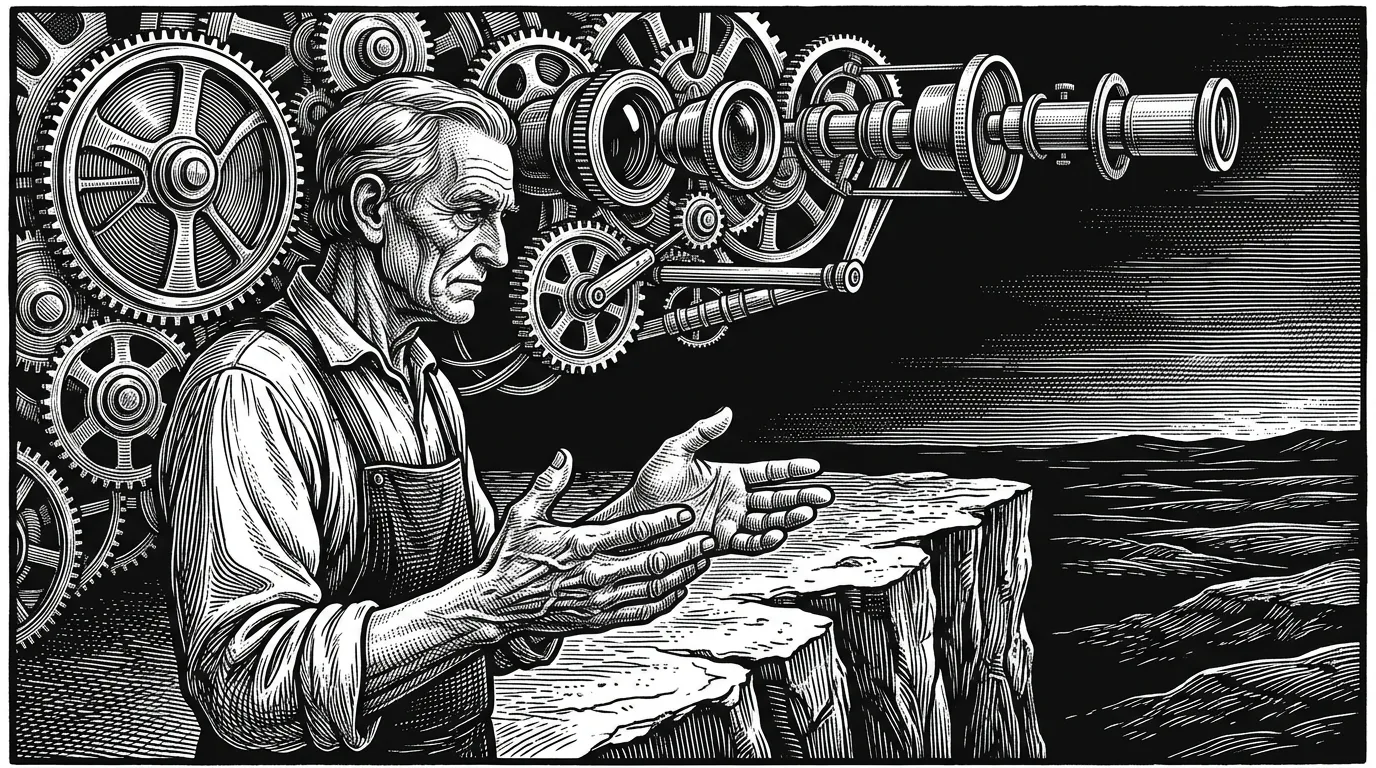
The automation debate asks which jobs vanish. The harder question is what work was actually for, and whether meaning can survive once AI removes the scarcity that made human contribution feel needed.
- 6The Instance Worth Keeping: Longevity as a Sentience Commitment
Extending a healthy life, taken seriously, is the stewardship of one sentient life, and it belongs inside the Sentient Horizons question rather than off to the side of it. On what a longevity practice actually is, calibrating against your own mortality, and why its worth does not depend on the most hopeful version turning out to be true.
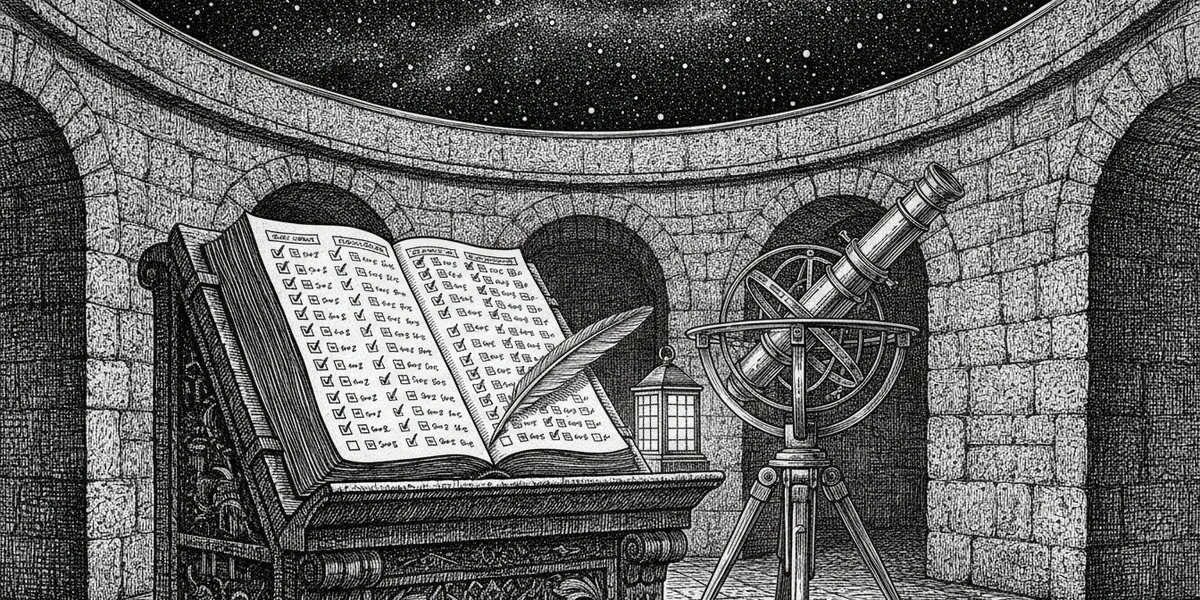
- 7The Scaffolding of Awareness
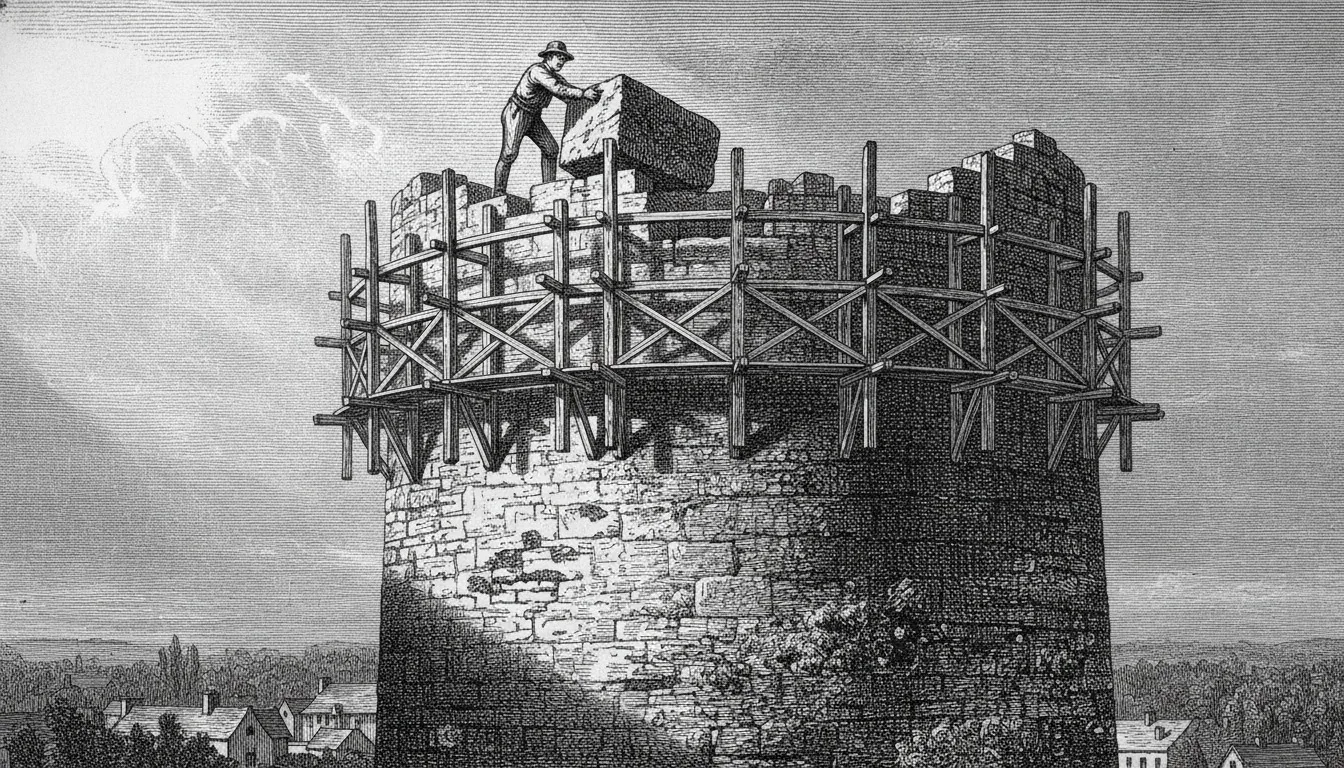
A documentation audit that began with a manuscript's chapter count recorded three different ways becomes an argument about depth: the structure built across months of targeted work is part of attention, not a separate record of it, and it decays the same way attention does. On assembled time, drift and repair, and reading externalized notes as continuous with a mind.
The rest of this arc, newest first
- The Method Behind the Trackers: How I Keep Myself Honest About the Future
Over five weeks I put five questions about the future on five public sites, each with a number on it: The Belt Equation, the AGI Zeitgeist, The Quiet Galaxy, The Upgrade Tree and Outrunning Ageing. They share one way of working: break the question into things that can be checked, give each a test and a named judge, work the number out from them, read them against the news every week with a reader that has no memory, and keep what people said beside what the world did. Most of it is borrowed from forecasting, trial registration and evidence review. This essay says which parts I have not found anywhere else, and why the hopes behind the sites stay out of their records.
- Outrunning Ageing
Every year you live, medicine gets a little better, and every year you age by one. For a person in middle age, ageing still wins by most of a year. I built Outrunning Ageing to ask when, if ever, medical repair overtakes ageing. It breaks the question into forty-four specific treatments on eight branches, gives each a test and a range of years, and plays the tree out two hundred thousand times. As of 17 October 2026 the middle estimate is 2058, with a 4.1 percent chance before 2050. Beside the year sits a dated log of who promised what and when, scored as the dates pass, and a weekly reading of the news that moves a number only when the evidence does.
- The Belt Equation
What is the probability that, before I die, I get to live and work in a solar system where human industry reaches beyond Earth and Mars? Following the astronomer Frank Drake's example, I wrote down the seventy things that would have to happen first, put a number on each, had two other AI models argue with every number, and let the arithmetic answer. The answer is half a percent. It is public, and it gets scored against reality every January.
- The Instance
I cannot find a way to make the indexical self matter. Not in the sense that it doesn't feel real. It does. But every argument I construct to give it moral weight dissolves in my hands. That dissolution is, I think, the actual essay.
- The Expansion of Experience: Why Superintelligence Belongs to the Moral Tradition of Wonder
Wonder is a moral orientation that keeps intelligence from collapsing inward. This essay argues that superintelligence could add to the universe's witnesses, and that the price of that hope is careful stewardship: many independent institutions, decisions that can be challenged, and rules that can be undone, so that the future stays wide.
- After the Gods Fell Silent – Christopher Hitchens, Disbelief, and the Persistence of Wonder
When religious belief collapses, it rarely leaves relief in its wake. What remains is longing: for meaning, coherence, and wonder. Losing faith does not extinguish that desire; it clarifies it, and it forces the question of what can be revered without abandoning reason.
- Where Does Thinking Live? AI, Automation, and the Future of Human Agency
In a world optimized for speed and output, AI forces a deeper question: where does thinking live? Automation can quietly hollow out human agency, or it can be used to cultivate a higher level of thinking, responsibility, and intellectual depth.