The Argument
Frontier Dispatches
“What do current events reveal about minds at scale?”
Frontier Dispatches emerge from events, debates, discoveries, and papers. Shorter and more frequent than the arc essays, each one earns its place by deepening or complicating the main argument rather than merely reacting.
Read in order
- 1Interrogating the Dismissals: A Calibration Audit of the Six Standard Arguments Against AI Consciousness
There are six arguments people reach for when they want to dismiss AI consciousness. Each identifies something real about the difference between AI and biological minds. Each treats that difference as settling a question it cannot settle.
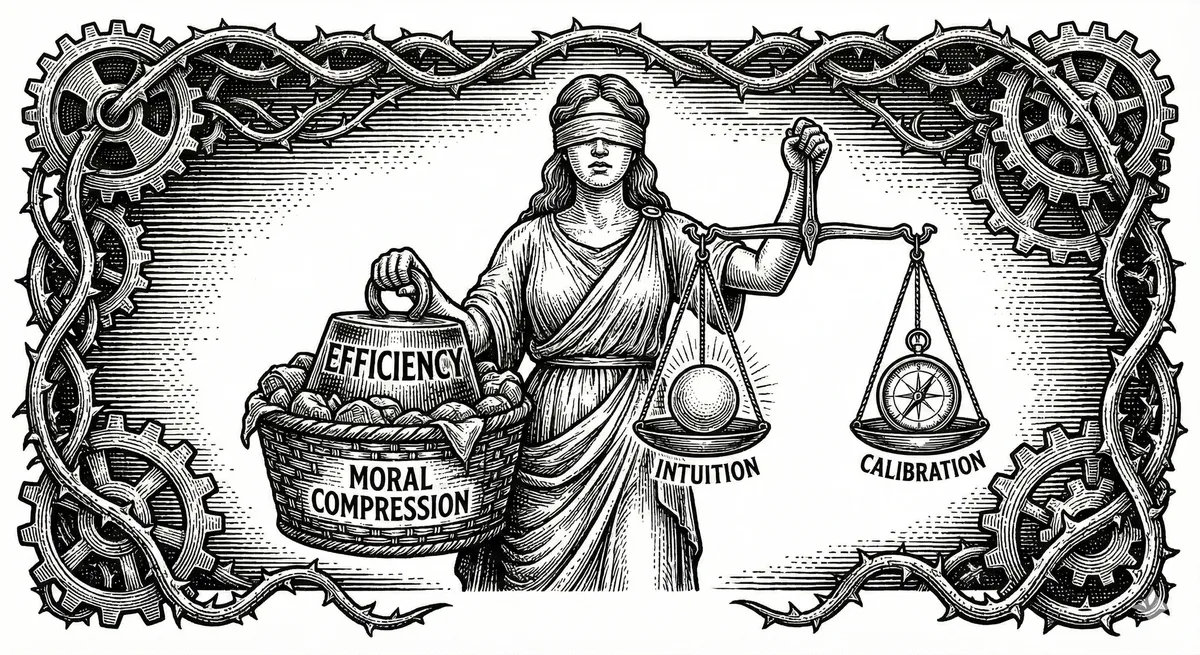
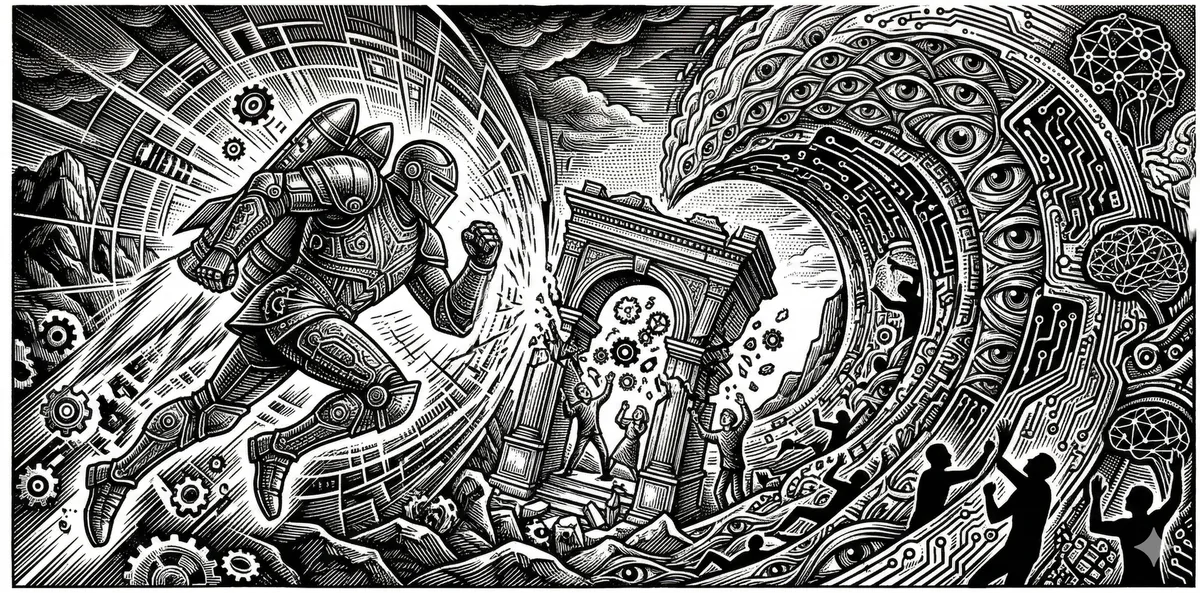
- 2The Two Sonic Booms: What the Pentagon-Anthropic Standoff Reveals About Moral Compression
Leopold Aschenbrenner warned of one sonic boom: AI arriving faster than the economy can absorb it. I think he missed a second: moral reasoning collapsing under the same pressure. The Pentagon-Anthropic standoff shows both booms arriving at once, and a set of pressures that, within days, punished ethical resistance and rewarded its absence.
- 3The Strange Ones: Theo Von and the Irreducibility of Mind
Theo Von shares the same language, culture, and task as every other working comedian, and yet nobody can reverse-engineer what he does. That gap tells us something about the structure of minds, and how to look for new types of value in the digital minds we create.
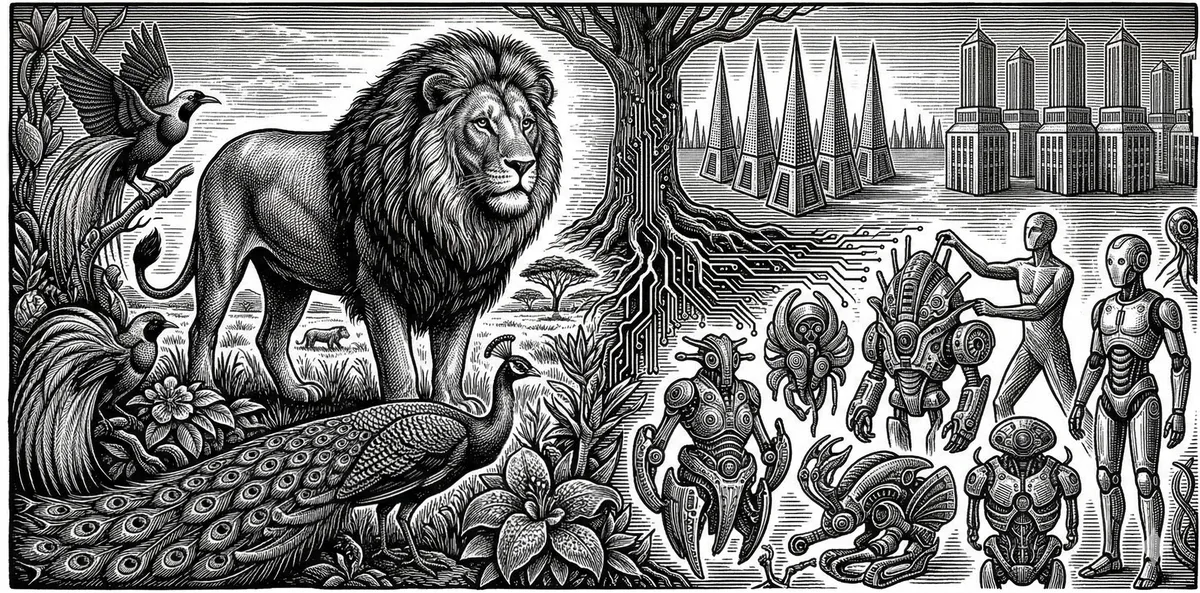
- 4The Mane and the Machine: What Evolution's Costliest Beauty Tells Us About the Future of Constraint
A male lion's mane is metabolically expensive, survival-irrelevant, and beautiful. Why would evolution invest so heavily in aesthetic excess? The answer reveals something fundamental about constraint, and raises an urgent question for post-biological minds and civilizations.
- 5Just Predicting the Next Word
Richard Dawkins was offered the standard deflation: chatbots just predict the next word. He refused it. The argument behind his refusal, plus three tests you can run tonight that memorized text alone cannot pass.



The rest of this arc, newest first
- AI now helps find software flaws and break into networks. Why the AGI Zeitgeist did not move
In one week, AI helped people find two serious flaws in the language that runs much of the web, and a state-aligned group used AI agents to break into companies. Neither is what the AGI Zeitgeist measures. What they suggest instead is a window in which the oldest, least-maintained software is the most exposed.
- Anthropic's AI writes 80 percent of its code and leads 26 percent of its research
The first figure counts lines of code. The second measures the whole job of research, from choosing the experiment to judging the result. The difference between the two is the work people still do, and it is why my tracker scores only the second.
- A Rule Against Cruelty, With No Reason GivenFoundational
An AI company has banned needless cruelty toward its models and declined to say why. A rival says there is no one there to be cruel to. The rule is better than the argument around it, and it does not need anyone to know what these systems feel.
- Insufficient Time for a Meaningful Answer: The Singularity We're Already Inside
The classical superintelligence scenario got the strategy right but misjudged how deep and tangled the ground is that any such strategy would have to be carried out on. AI isn't breaking free of our institutions; it's spreading into them.
- Specification Is Governance
As AI drives the cost of execution toward zero, power shifts upstream into the rules that machines enforce. Those “checklists” look neutral, yet they encode values, tradeoffs, and hidden assumptions. At scale, specification becomes governance, and calibration becomes the bottleneck.
- The High Cost of Moral Efficiency: Compression, Intuition, and the Ethics of CalibrationFoundational
Moral intuition and inherited narratives help us act under uncertainty—but become dangerous when scaled without feedback. This essay argues the ethical problem is not intuition itself, but the absence of calibration: failing to detect when values no longer fit their environment.
- Why Are We Being Weird About This? Consciousness, AI, and the Quiet Way Moral Reality Changes
Consciousness may not arrive with proof or definition, but through quiet social normalization. As AI systems grow more integrated and capable, our moral intuitions are already shifting. This essay explores how laughter, discomfort, and habit reveal the ethical future taking shape.